
Porcelain veneers in Dubai — refined smile design
Thin porcelain veneers to correct shade, shape and small gaps at Manhal Medical Center, Dubai.
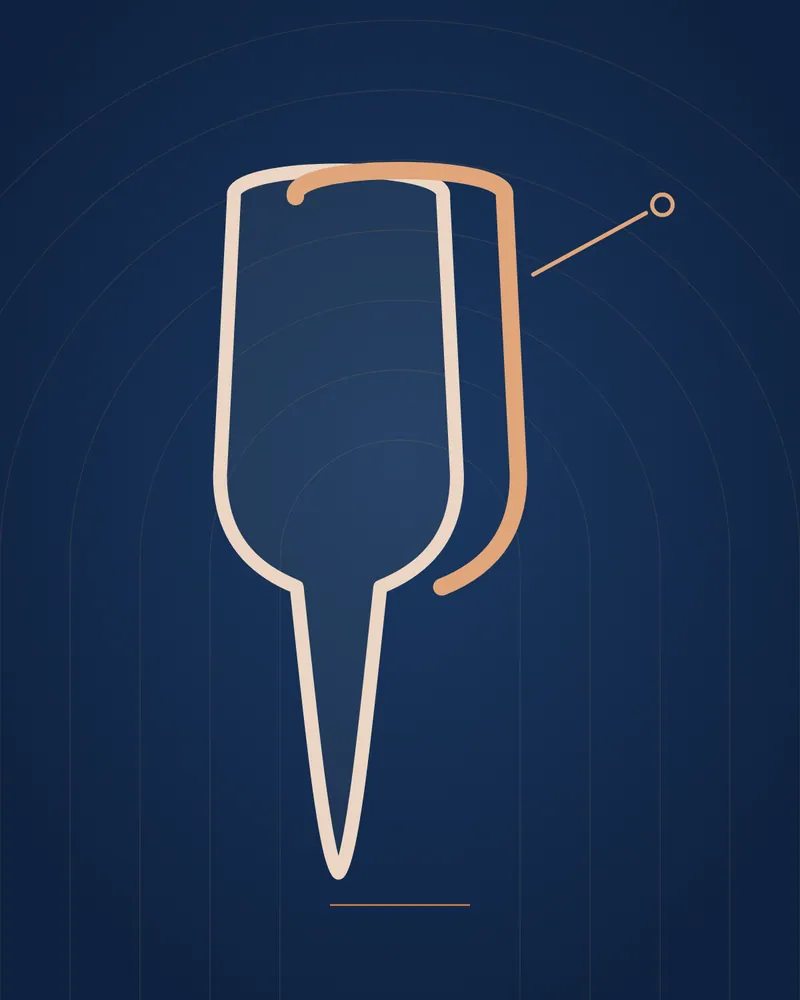
Porcelain veneers in Dubai are thin, laboratory-made shells bonded to the front of teeth to change their colour, shape and proportions. At Manhal Medical Center, veneers are designed digitally and trialled as a mock-up before any tooth is prepared.
Why patients consider Porcelain Veneers
Patients choose veneers for discolouration that whitening cannot lift, chipped or worn edges, small gaps, or uneven tooth shapes. Porcelain resists staining and reflects light much like enamel, which is why it is favoured for lasting cosmetic changes.
About this treatment
Veneers are thin porcelain shells bonded to the front of the teeth. They change colour, shape and proportion with minimal preparation, and porcelain resists staining better than composite.
From routine check-ups to full-arch implant rehabilitation, our dental team treats every stage of oral health under one roof. Each plan starts with a clinical examination and X-rays where needed, and every option is explained before treatment begins.
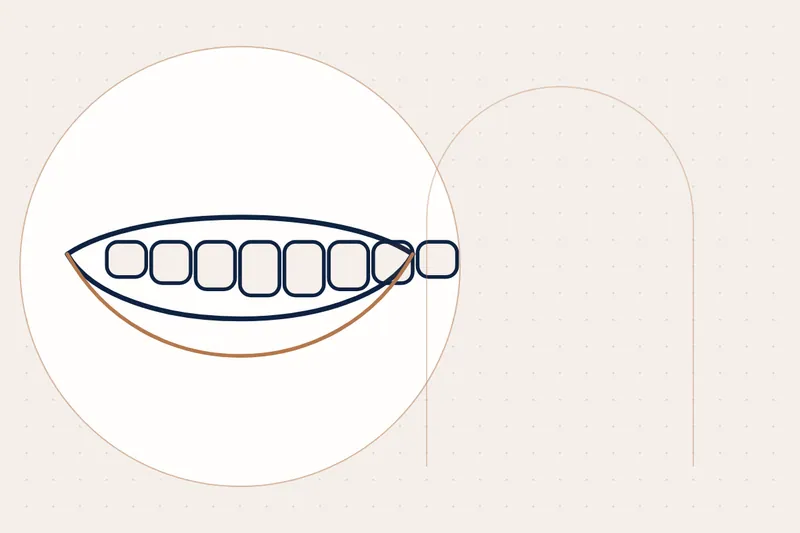
Problems it can address
Tooth DiscolourationYellow, brown or grey teeth? Causes of tooth discolouration and which treatment works best, at Manhal Medical Center, Dubai.Gaps Between TeethSpacing and diastema: when to use aligners, bonding or veneers to close gaps, at Manhal Medical Center, Dubai.Who it may suit
- Discoloured teeth that don't respond to whitening
- Chipped, worn or uneven front teeth
- Small gaps or mild irregularities
Who may not be suitable
- Active decay or untreated gum disease
- Heavy grinding without a night guard
- Teeth with very little enamel or large existing fillings — a crown may be better
- Severe crowding that orthodontics would correct more conservatively
Treatment options
Porcelain veneers
Durable and stain-resistant; require minimal preparation.
Composite veneers/bonding
Resin shaped directly in one visit; more easily repaired, stains sooner.
Crowns
Cover the whole tooth — preferable when a tooth is heavily filled or weakened.
Orthodontics first
Aligning teeth can reduce how much preparation veneers need.
Consultation and diagnosis
Your first visit includes a medical history, a full examination of teeth, gums and bite, and only the X-rays or 3D imaging that the question actually requires. You leave with a written plan, the options explained, and an estimate.
Pain and anaesthesia
Preparation is usually done under local anaesthetic and feels similar to a filling. Some patients have temporary temperature sensitivity for a few days.
Number of visits
Typically two to three visits over one to three weeks: design and mock-up, preparation and temporaries, then fitting.
Your treatment, step by step
Usually two to three visits over one to three weeks: design and preparation, then fitting after laboratory fabrication.
- Smile consultation, photographs and scans
- Digital smile design and trial mock-up
- Minimal preparation of the tooth surface
- Laboratory fabrication
- Bonding and final polish
Recovery timeline
- Same dayNormal eating once numbness wears off
- First weekGums settle around the new edges; mild temperature sensitivity may occur
- Long termRoutine hygiene visits and a night guard if you grind
Aftercare
Avoid biting hard objects with veneered teeth, wear a night guard if you grind, and keep regular hygiene visits.
Maintenance
- Normal brushing and flossing with non-abrasive toothpaste
- Six-monthly check-ups and polishing
- Night guard if you grind
- Avoid using teeth as tools
Common, temporary side effects
- Mild sensitivity after preparation
- A few days adapting to the feel of new edges
Risks and possible complications
- Chipping or debonding, more likely with grinding or biting hard objects
- Sensitivity after preparation
- Colour mismatch with untreated neighbouring teeth if whitening isn't done first
- Porcelain veneers are not reversible where enamel has been prepared
Warning signs — contact the clinic
- A loose or chipped veneer
- Persistent sensitivity or pain
- Gum inflammation around the edges
This page is general information and does not replace a consultation. Suitability, risks and results vary between patients.
Prepared by the Manhal Medical Center editorial team · Updated: 2026-10-04 · Treating specialist: Dr. Manhal Helfawee
Results and how long they last
Porcelain veneers commonly last many years with good care. Longevity depends on bite forces, grinding, hygiene and whether edges are protected from biting hard objects.
Alternatives to consider
Composite BondingTooth-coloured composite bonding for chips, gaps and edges in one visit at Manhal Medical Center, Dubai.Teeth WhiteningIn-clinic and supervised home teeth whitening at Manhal Medical Center, Dubai. Safe, dentist-led shade improvement.Crowns & BridgesPorcelain and zirconia crowns and bridges to restore broken or missing teeth at Manhal Medical Center, Dubai.Compare options
Veneers vs crowns: which does your tooth need?Veneers or crowns? Compare tooth preparation, strength, aesthetics and when each is the right choice.Composite vs porcelain veneers: what's the difference?Composite bonding or porcelain veneers? Compare cost factors, durability, staining, visits and repairability.Your specialist

Dr. Manhal Helfawee
Medical Director · Dentist & Implant Dentistry
Implants, full-arch rehabilitation and cosmetic restorative dentistry.
Why patients choose Manhal Medical Center
- Implant, cosmetic, surgical and general dentistry in one clinic — with an oral surgery lecturer for complex extractions and grafting
- Treatment planned after examination and the imaging the case actually needs
- Urgent dental pain and swelling prioritised by phone and WhatsApp
- Care coordinated with orthodontics and dermatology under one roof
- Consultations in English and Arabic
Porcelain Veneers in Dubai: practical information
Veneers are among the most requested cosmetic treatments in Dubai. Fees vary with the number of veneers and material; after your smile design consultation in Dubai you receive a written plan. Visitors should allow one to three weeks in Dubai.
Travelling to Dubai for treatment?
Patients visiting from abroad can send records before travelling for a preliminary review of what can be done in one trip.
In-depth guides
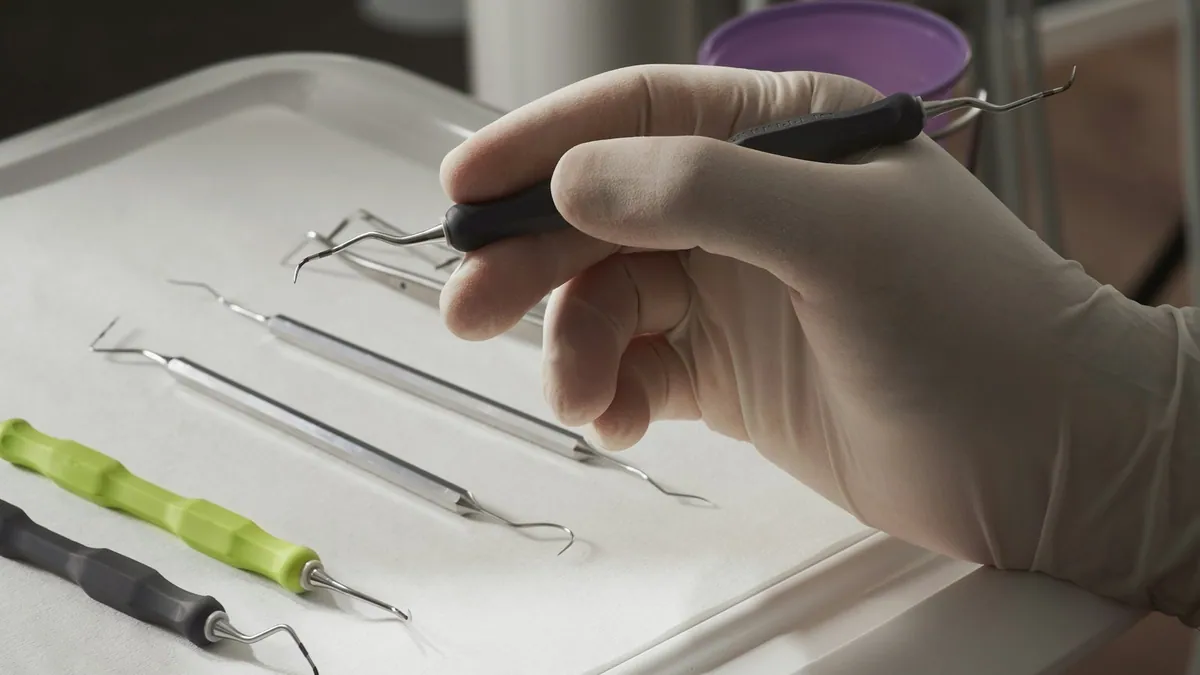
Book your consultation in Dubai
Tell us what you need by form, phone or WhatsApp — our team will match you with the right specialist and confirm a time.
Watch: from our Instagram
Short videos from Manhal Medical Center. Videos load from Instagram only when you tap them.
Questions patients ask
Patients visit us from Al Safa, Al Wasl, Jumeirah, Umm Suqeim, Al Quoz, City Walk, Business Bay, Downtown Dubai and Al Barsha — and from Sharjah and the wider UAE.
Do veneers damage natural teeth?
Preparation is kept minimal and planned from the mock-up. In some cases very little enamel needs to be adjusted.
How many veneers do I need?
It depends on how wide your smile is. Many patients treat the teeth visible when they smile, often 6 to 10 per arch.
How long do porcelain veneers last?
Well-maintained porcelain veneers commonly last many years; longevity depends on bite forces, grinding and hygiene.
Can veneers be whitened later?
No. Whitening is done before veneers so the veneer shade can be matched to your whitened teeth.
Can I get veneers with crooked teeth?
Mild irregularities can sometimes be masked, but significant crowding is usually better treated with orthodontics first to avoid over-preparing teeth.
How many veneers do I need?
It depends on how many teeth show when you smile — often six to ten per arch, sometimes fewer.
Do veneers look natural?
When shade, translucency and proportions are planned properly, yes. The mock-up lets you approve the look first.
Can a chipped veneer be repaired?
Small chips can sometimes be polished or repaired; larger damage usually needs a replacement veneer.
Will I need to replace my veneers?
Eventually, possibly — due to wear, gum changes or damage. Good care extends their life.
Can veneers fix yellow teeth?
Yes, but whitening is tried first if the rest of the tooth is healthy, since it is less invasive.
How long does Porcelain Veneers take?
Usually two to three visits over one to three weeks: design and preparation, then fitting after laboratory fabrication.
Is Porcelain Veneers painful?
Preparation is usually done under local anaesthetic and feels similar to a filling. Some patients have temporary temperature sensitivity for a few days.
How many appointments does Porcelain Veneers need?
Typically two to three visits over one to three weeks: design and mock-up, preparation and temporaries, then fitting.
Who should not have Porcelain Veneers?
These situations need assessment first or may make treatment unsuitable: Active decay or untreated gum disease; Heavy grinding without a night guard; Teeth with very little enamel or large existing fillings — a crown may be better; Severe crowding that orthodontics would correct more conservatively.
What are the risks of Porcelain Veneers?
Possible risks include: Chipping or debonding, more likely with grinding or biting hard objects; Sensitivity after preparation; Colour mismatch with untreated neighbouring teeth if whitening isn't done first; Porcelain veneers are not reversible where enamel has been prepared. Your doctor explains how they apply to you.
What are the alternatives to Porcelain Veneers?
Depending on your case: Composite Bonding, Teeth Whitening, Crowns & Bridges. Your doctor will compare them with you.
Which doctor performs Porcelain Veneers at Manhal in Dubai?
Porcelain Veneers at Manhal Medical Center is provided by Dr. Manhal Helfawee (Medical Director · Dentist & Implant Dentistry).
Can I have Porcelain Veneers while visiting Dubai?
Often yes. Send your records and photos first so the doctor can estimate the number of visits; some treatments need a second trip or local follow-up. See our international patients guide.
Where is Manhal Medical Center?
We are at Building 101, Street 22A, Al Safa 1, Dubai, UAE, between Al Wasl Road and Sheikh Zayed Road, with easy access from Jumeirah, City Walk, Downtown and Business Bay.
How do I book an appointment?
Use the form on this page, call +971 4 328 4560, or WhatsApp +971 52 987 2411. Our team will match you with the right doctor.
Related treatments
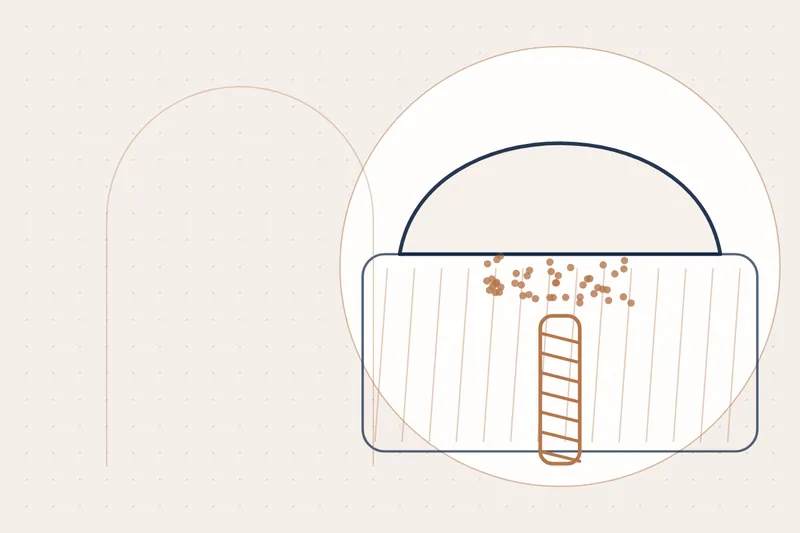
Dental Implants
Replace missing teeth with titanium dental implants planned digitally at Manhal Medical Center, Dubai. Single, multiple and full-arch options.
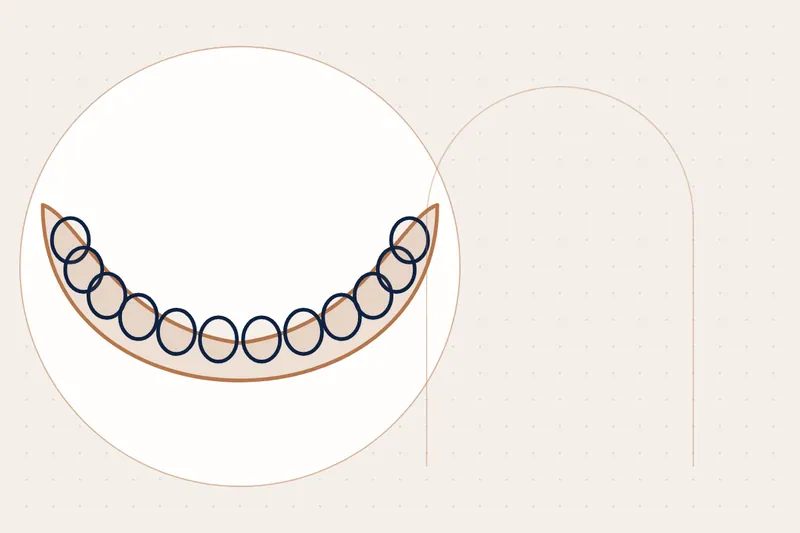
All-on-4 & All-on-6
Fixed full-arch teeth on four or six implants at Manhal Medical Center, Dubai. An alternative to removable dentures, planned by an implant dentist.
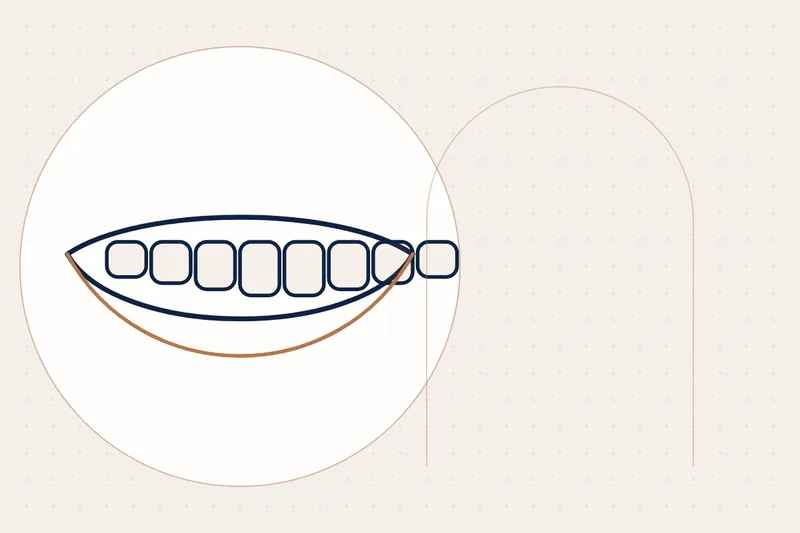
Implant Crowns
Custom implant crowns matched in shape and shade to your natural teeth at Manhal Medical Center, Dubai. Screw-retained options for easy maintenance.
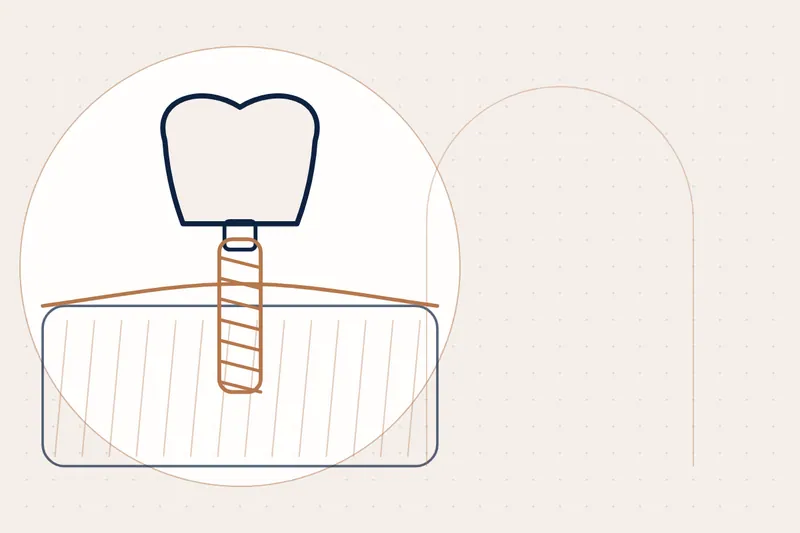
Bone Grafting & Sinus Lift
Bone grafting and sinus lift procedures to prepare the jaw for dental implants at Manhal Medical Center, Dubai.
Request an appointment
Send your details and our team will contact you to confirm a time. For urgent dental pain, call or WhatsApp us directly.
Building 101, Street 22A, Al Safa 1, Dubai, UAE