
Sudden hair shedding (telogen effluvium): causes and recovery
Hair falling out in handfuls after illness, childbirth or stress? Causes of telogen effluvium and what to expect.
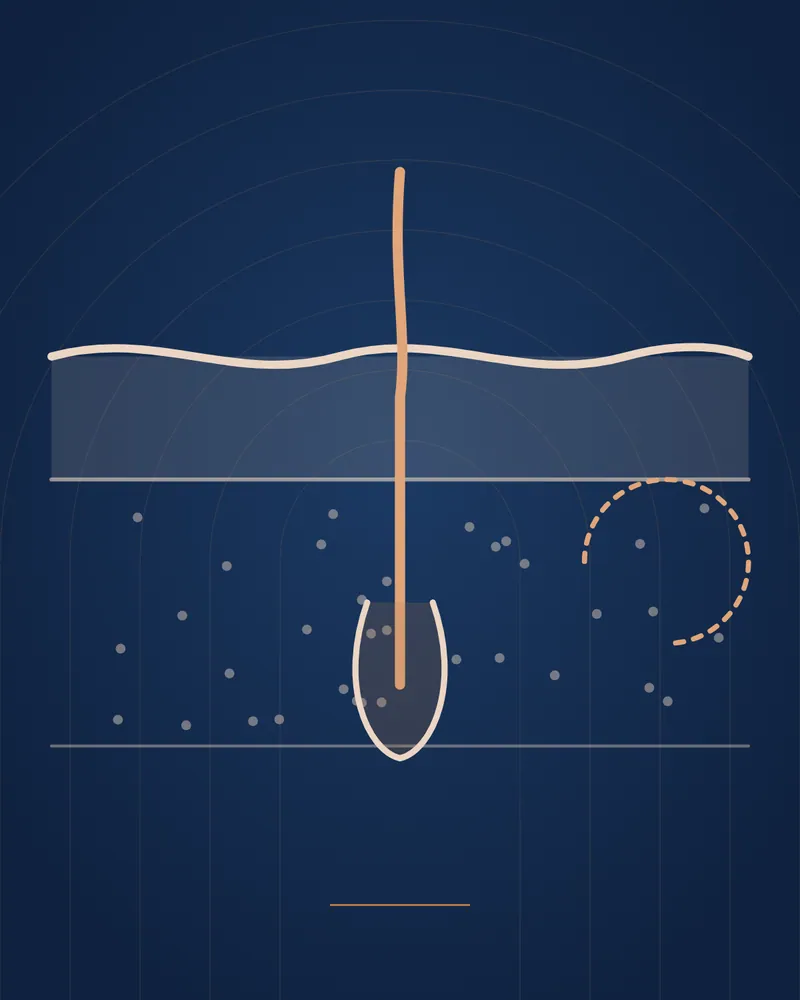
Telogen effluvium is diffuse shedding that starts two to four months after a trigger, when many hairs enter the resting phase at once. It is usually temporary.
Once the trigger is resolved, shedding usually settles within months and hair regrows; deficiencies are corrected.

Signs and symptoms
- Noticeably more hair on the pillow, brush or shower
- Diffuse thinning without bald patches
Common causes
- Illness or high fever
- Childbirth
- Crash dieting or low iron
- Major stress, surgery, some medicines
When to see a doctor
See a dermatologist if shedding lasts more than six months or if you notice patches or scalp symptoms.
Red flags — seek prompt care
- Shedding lasting more than six months
- Fatigue, weight change or feeling cold
How it is diagnosed
History of triggers, pull test, trichoscopy and blood tests (iron, thyroid, vitamin D).
Which doctor to see

Dr. Abdullah Anis
Specialist Dermatologist & Venereologist
Medical dermatology, venereology, injectables and filler complications.
Treatment options
Once the trigger is resolved, shedding usually settles within months and hair regrows; deficiencies are corrected.
What happens if it is left untreated?
It usually resolves once the trigger is corrected, but an untreated deficiency can keep shedding going.
Can it come back?
It can recur after a new trigger such as illness or childbirth.
Prevention
- Balanced diet with adequate protein and iron
- Avoid crash diets
Book your consultation in Dubai
Tell us what you need by form, phone or WhatsApp — our team will match you with the right specialist and confirm a time.
Questions patients ask
Prepared by the Manhal Medical Center editorial team · Updated: 2026-10-04 · Treating specialist: Dr. Abdullah Anis
This page is general information and does not replace a consultation. Suitability, risks and results vary between patients.
Will I go bald from telogen effluvium?
No. It does not cause baldness, though it can unmask underlying pattern hair loss.
Which doctor treats telogen effluvium (sudden shedding) in Dubai?
At Manhal Medical Center in central Dubai, telogen effluvium (sudden shedding) is assessed by Dr. Abdullah Anis (Specialist Dermatologist & Venereologist).
How is telogen effluvium (sudden shedding) diagnosed?
History of triggers, pull test, trichoscopy and blood tests (iron, thyroid, vitamin D).
When should I see a doctor about telogen effluvium (sudden shedding)?
See a dermatologist if shedding lasts more than six months or if you notice patches or scalp symptoms.
What treatments are available for telogen effluvium (sudden shedding)?
Depending on the cause: Hair Loss Diagnosis & Treatment. Once the trigger is resolved, shedding usually settles within months and hair regrows; deficiencies are corrected.
Can telogen effluvium (sudden shedding) come back?
It can recur after a new trigger such as illness or childbirth.
Can telogen effluvium (sudden shedding) be prevented?
Balanced diet with adequate protein and iron; Avoid crash diets.
Where is Manhal Medical Center?
We are at Building 101, Street 22A, Al Safa 1, Dubai, UAE, between Al Wasl Road and Sheikh Zayed Road, with easy access from Jumeirah, City Walk, Downtown and Business Bay.
Related conditions
Request an appointment
Send your details and our team will contact you to confirm a time. For urgent dental pain, call or WhatsApp us directly.
Building 101, Street 22A, Al Safa 1, Dubai, UAE