
Dental implants in Dubai — permanent tooth replacement
Replace missing teeth with titanium dental implants planned digitally at Manhal Medical Center, Dubai. Single, multiple and full-arch options.
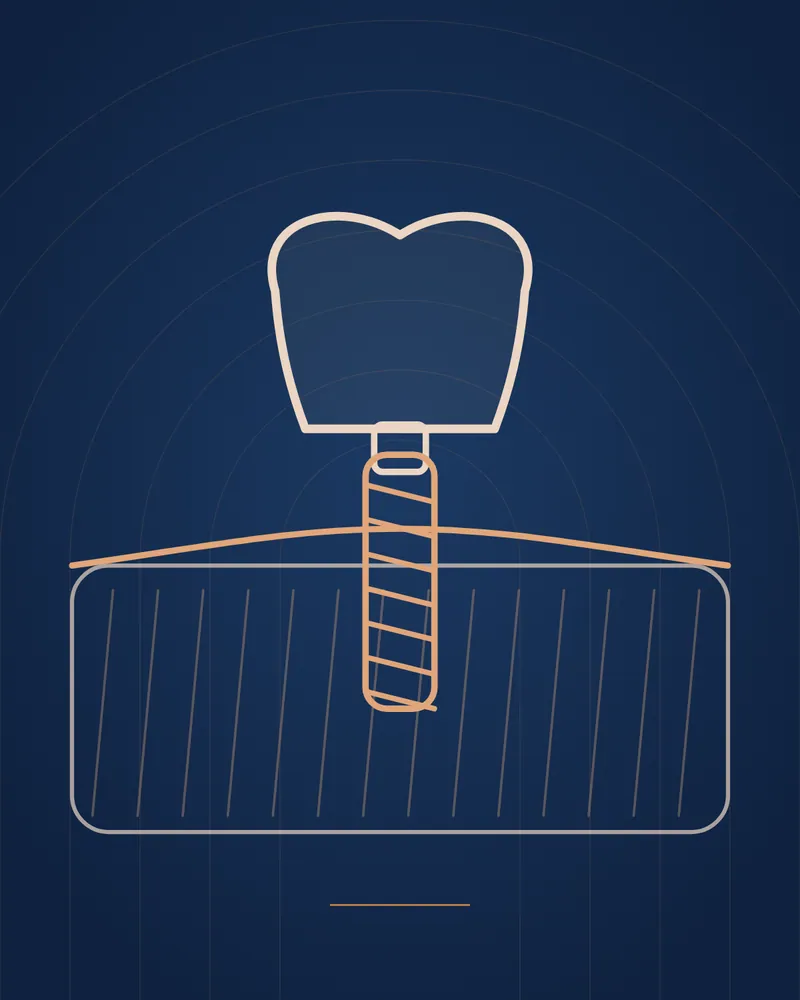
Dental implants in Dubai replace missing teeth with a titanium root and a custom crown. At Manhal Medical Center in central Dubai, treatment is planned from 3D imaging by our implant dentist, with oral surgery support for grafting when bone is limited.
Why patients consider Dental Implants
Most patients consider implants because a gap affects chewing, confidence or the stability of neighbouring teeth. Unlike a bridge, an implant does not require reshaping healthy teeth, and unlike a removable denture it does not move. Implants also load the jawbone, which helps limit the bone shrinkage that follows tooth loss.
About this treatment
A dental implant replaces the root of a missing tooth with a biocompatible titanium post that bonds with the jawbone. Once integrated, it supports a crown that looks, feels and functions like a natural tooth, and it helps prevent the bone loss that follows an extraction.
From routine check-ups to full-arch implant rehabilitation, our dental team treats every stage of oral health under one roof. Each plan starts with a clinical examination and X-rays where needed, and every option is explained before treatment begins.
Problems it can address
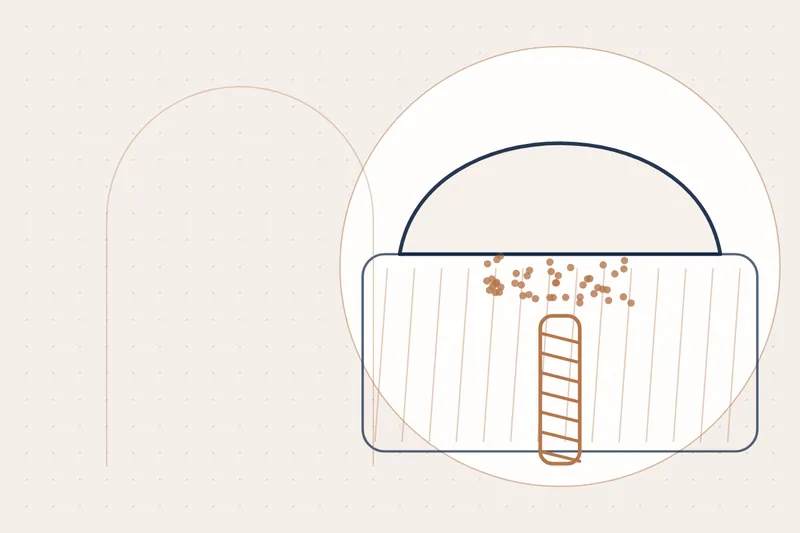
Missing TeethImplants, bridges or dentures? Understand the consequences of missing teeth and replacement options at Manhal Medical Center, Dubai.Dental Implant Infection (Peri-implantitis)Bleeding, swelling or a loose implant? Understand peri-implantitis and implant failure, and how they are managed in Dubai.Failed Root CanalPain or swelling after a root canal? Signs of a failed root canal and retreatment options at Manhal Medical Center, Dubai.Who it may suit
- One or more missing teeth
- A loose bridge or partial denture you want to replace
- Adequate general health and bone, or suitability for grafting
- Non-smokers or patients willing to reduce smoking during healing
Who may not be suitable
- Uncontrolled diabetes or other uncontrolled medical conditions
- Active gum disease that has not been treated first
- Children and teenagers whose jaws are still growing
- Some patients on certain bone medications — these need individual assessment
Treatment options
Single-tooth implant
One implant and crown replace one missing tooth.
Implant-supported bridge
Two or more implants support a bridge when several neighbouring teeth are missing.
Full-arch (All-on-4 / All-on-6)
Four or six implants support a fixed arch of teeth.
Implant-retained denture
Implants hold a removable denture securely in place.
Immediate implant
Placed at the time of extraction when bone and gum conditions allow.
Consultation and diagnosis
Your first visit includes a medical history, a full examination of teeth, gums and bite, and only the X-rays or 3D imaging that the question actually requires. You leave with a written plan, the options explained, and an estimate.
Pain and anaesthesia
Implant placement is carried out under local anaesthetic, so most patients feel pressure and vibration rather than pain. Afterwards, discomfort is usually comparable to an extraction and is managed with standard painkillers for a few days. Longer or more complex procedures can be discussed with sedation options at consultation.
Number of visits
A typical single implant involves a consultation and scan, the placement appointment, a short review, and the crown stage — usually four to six visits in total across several months. Grafting or full-arch treatment adds planning and review appointments.
Your treatment, step by step
Placement usually takes about an hour per implant. From placement to final crown typically takes around three to six months, longer if grafting is needed.
- Consultation, examination and 3D imaging to measure bone
- Digital treatment plan with the implant position and crown design
- Implant placement under local anaesthetic
- Healing period while the implant integrates with bone
- Final crown fitted and bite checked
Recovery timeline
- First 48 hoursMild swelling and tenderness; soft, cool food; no smoking
- First weekStitches settle or are removed; gentle cleaning around the site
- Weeks to monthsThe implant integrates with bone; a temporary tooth may be worn
- Final stageCrown fitted, bite checked, maintenance plan agreed
Aftercare
Expect mild swelling for a few days. Soft food, careful cleaning around the site and the prescribed mouthwash help healing. Long-term, implants need the same brushing, flossing and check-ups as natural teeth.
Maintenance
- Brush twice daily and clean around the implant with floss or interdental brushes
- Professional cleaning and implant checks every six months
- A night guard if you grind your teeth
- Early review of any bleeding, looseness or bad taste
Common, temporary side effects
- Swelling and mild bruising for a few days
- Tenderness when chewing near the site
- Slight oozing on the first day
Risks and possible complications
- Infection around the implant (peri-implantitis), mostly linked to hygiene and smoking
- Failure of the implant to integrate, requiring removal and later replacement
- Nerve or sinus involvement, reduced by 3D planning
- Mechanical issues such as a loose screw or chipped crown
Warning signs — contact the clinic
- Bleeding that does not stop with firm pressure
- Swelling increasing after day three, or fever
- Numbness of the lip or chin that persists after anaesthetic wears off
- A loose implant or crown at any stage
This page is general information and does not replace a consultation. Suitability, risks and results vary between patients.
Prepared by the Manhal Medical Center editorial team · Updated: 2026-10-04 · Treating specialist: Dr. Manhal Helfawee, Dr. Moataz Al-Khan
Results and how long they last
Once integrated, an implant functions like a natural tooth for chewing and speaking. Implants are a long-term solution when hygiene and check-ups are maintained; crowns may need replacing after many years of wear. The main long-term risk is peri-implant inflammation, which is largely preventable.
Alternatives to consider
Crowns & BridgesPorcelain and zirconia crowns and bridges to restore broken or missing teeth at Manhal Medical Center, Dubai.Dentures & Implant-Retained DenturesComfortable full and partial dentures, and implant-retained overdentures that stay secure, at Manhal Medical Center, Dubai.Compare options
Dental implant vs bridge: side-by-sideImplant or bridge for one missing tooth? A table comparing neighbouring teeth, bone, treatment time and maintenance.Dental implant vs dentureImplants or dentures for missing teeth? Compare stability, bone preservation, maintenance and treatment time.Your specialist

Dr. Manhal Helfawee
Medical Director · Dentist & Implant Dentistry
Implants, full-arch rehabilitation and cosmetic restorative dentistry.

Dr. Moataz Al-Khan
Dentist · Oral & Maxillofacial Surgery
Wisdom teeth, complex extractions, grafting and oral surgery.
Why patients choose Manhal Medical Center
- Implant, cosmetic, surgical and general dentistry in one clinic — with an oral surgery lecturer for complex extractions and grafting
- Treatment planned after examination and the imaging the case actually needs
- Urgent dental pain and swelling prioritised by phone and WhatsApp
- Care coordinated with orthodontics and dermatology under one roof
- Consultations in English and Arabic
Dental Implants in Dubai: practical information
Manhal Medical Center is in central Dubai, between Al Wasl Road and Sheikh Zayed Road, convenient for patients from Jumeirah, City Walk, Business Bay and Downtown Dubai. Implant fees depend on the number of implants, grafting and the type of restoration, so a written estimate is provided after your scan. If you have dental insurance, check implant coverage with your insurer — many policies cover it partially or not at all. Patients visiting from abroad usually plan two trips; see our international patients guide.
Travelling to Dubai for treatment?
Patients visiting from abroad can send records before travelling for a preliminary review of what can be done in one trip.
In-depth guides
Book your consultation in Dubai
Tell us what you need by form, phone or WhatsApp — our team will match you with the right specialist and confirm a time.
Watch: from our Instagram
Short videos from Manhal Medical Center. Videos load from Instagram only when you tap them.
Questions patients ask
Patients visit us from Al Safa, Al Wasl, Jumeirah, Umm Suqeim, Al Quoz, City Walk, Business Bay, Downtown Dubai and Al Barsha — and from Sharjah and the wider UAE.
Is implant placement painful?
It is done under local anaesthetic, so you feel pressure rather than pain. Most patients manage the following days with standard painkillers.
How long do dental implants last?
With good hygiene and regular check-ups, implants are a long-term solution. The crown on top may need replacing after many years of wear.
Can I get a temporary tooth straight away?
Often yes. A temporary bridge, removable tooth or — when stability allows — an immediate temporary crown can be provided so you are not left with a gap.
What if I don't replace a missing tooth?
Neighbouring teeth tend to tilt, the opposing tooth can over-erupt, and the jawbone shrinks over time, which can make later treatment more complex.
How long after a dental implant can I eat?
You can eat soft, cool food once the anaesthetic wears off. Avoid chewing on the implant site until your dentist confirms it is safe, typically until the final crown is fitted.
Can smokers have dental implants?
Yes, but smoking significantly increases the risk of implant failure and infection. Stopping — at least around surgery and healing — improves outcomes.
Can diabetic patients have implants?
Patients with well-controlled diabetes are often suitable. Uncontrolled blood sugar slows healing, so your dentist may ask for recent results.
Why do dental implants fail?
The most common reasons are infection around the implant, smoking, insufficient bone, excessive bite forces and poor hygiene. Most are avoidable with planning and maintenance.
Am I too old for dental implants?
There is no upper age limit. General health and bone quality matter more than age.
What if I have been told I don't have enough bone?
Bone grafting, a sinus lift or angled implant placement can often make implants possible. A 3D scan shows what is realistic.
Is an implant better than a bridge?
It depends. If neighbouring teeth are healthy, an implant avoids reshaping them. If they already need crowns, a bridge may be reasonable. See our implant vs bridge comparison.
Will the implant be visible?
No. The titanium post sits under the gum; only the crown shows, and it is matched to your natural teeth.
How long does Dental Implants take?
Placement usually takes about an hour per implant. From placement to final crown typically takes around three to six months, longer if grafting is needed.
How many appointments does Dental Implants need?
A typical single implant involves a consultation and scan, the placement appointment, a short review, and the crown stage — usually four to six visits in total across several months. Grafting or full-arch treatment adds planning and review appointments.
Who should not have Dental Implants?
These situations need assessment first or may make treatment unsuitable: Uncontrolled diabetes or other uncontrolled medical conditions; Active gum disease that has not been treated first; Children and teenagers whose jaws are still growing; Some patients on certain bone medications — these need individual assessment.
What are the risks of Dental Implants?
Possible risks include: Infection around the implant (peri-implantitis), mostly linked to hygiene and smoking; Failure of the implant to integrate, requiring removal and later replacement; Nerve or sinus involvement, reduced by 3D planning; Mechanical issues such as a loose screw or chipped crown. Your doctor explains how they apply to you.
What should I avoid after Dental Implants?
Smoking and vaping; Chewing on the implant site; Strenuous exercise for 48–72 hours; Blowing your nose forcefully after a sinus lift.
What are the alternatives to Dental Implants?
Depending on your case: Crowns & Bridges, Dentures & Implant-Retained Dentures. Your doctor will compare them with you.
Which doctor performs Dental Implants at Manhal in Dubai?
Dental Implants at Manhal Medical Center is provided by Dr. Manhal Helfawee (Medical Director · Dentist & Implant Dentistry), Dr. Moataz Al-Khan (Dentist · Oral & Maxillofacial Surgery).
Can I have Dental Implants while visiting Dubai?
Often yes. Send your records and photos first so the doctor can estimate the number of visits; some treatments need a second trip or local follow-up. See our international patients guide.
Where is Manhal Medical Center?
We are at Building 101, Street 22A, Al Safa 1, Dubai, UAE, between Al Wasl Road and Sheikh Zayed Road, with easy access from Jumeirah, City Walk, Downtown and Business Bay.
How do I book an appointment?
Use the form on this page, call +971 4 328 4560, or WhatsApp +971 52 987 2411. Our team will match you with the right doctor.
Related treatments
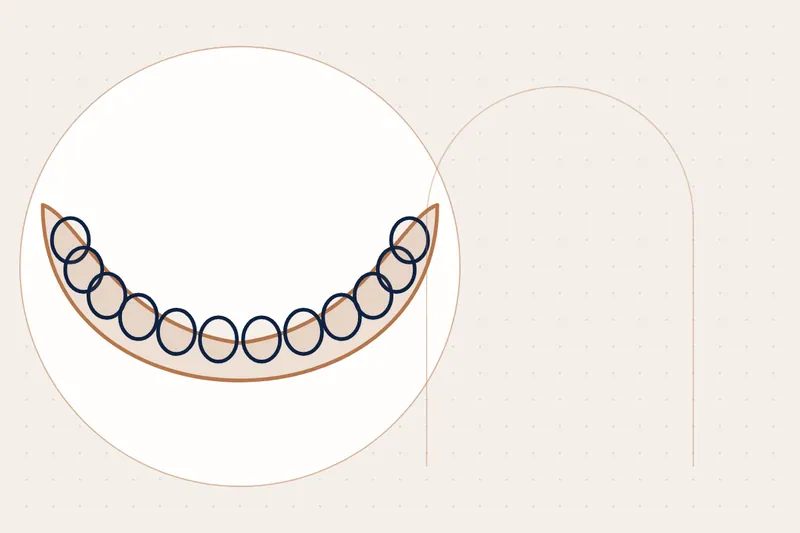
All-on-4 & All-on-6
Fixed full-arch teeth on four or six implants at Manhal Medical Center, Dubai. An alternative to removable dentures, planned by an implant dentist.
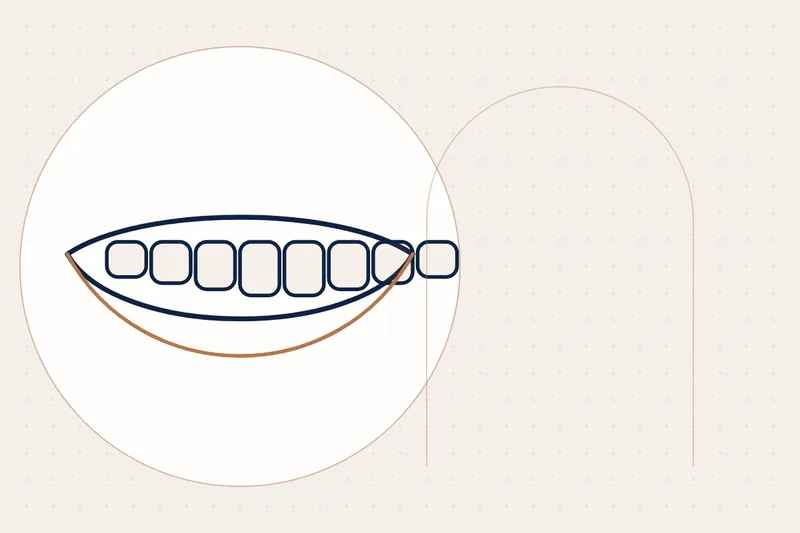
Implant Crowns
Custom implant crowns matched in shape and shade to your natural teeth at Manhal Medical Center, Dubai. Screw-retained options for easy maintenance.
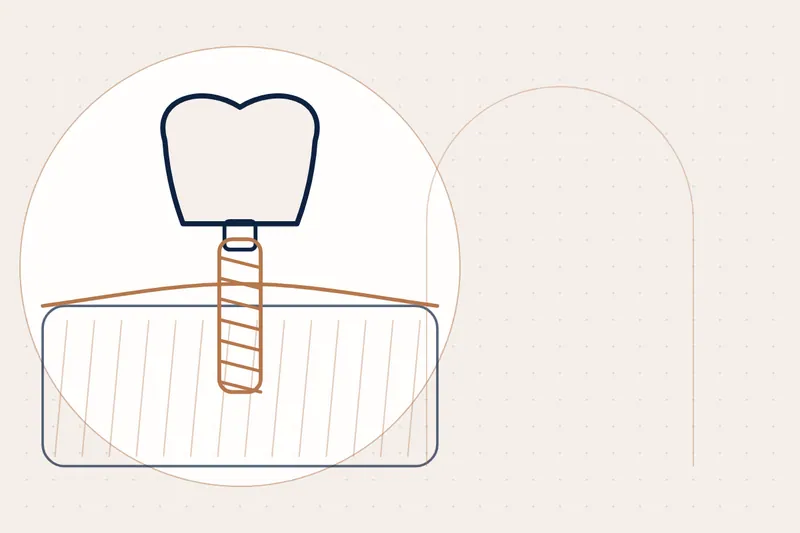
Bone Grafting & Sinus Lift
Bone grafting and sinus lift procedures to prepare the jaw for dental implants at Manhal Medical Center, Dubai.
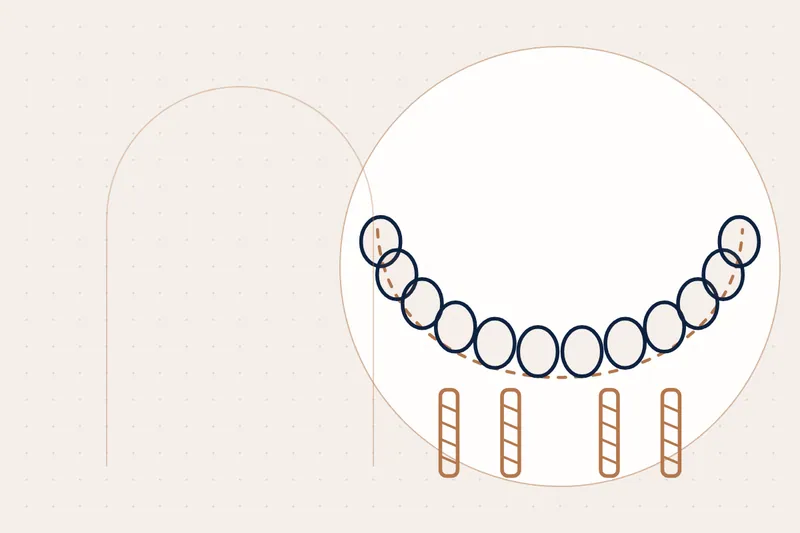
Guided Implant Surgery
Digitally planned, guide-assisted implant placement for accuracy and comfort at Manhal Medical Center, Dubai.
Request an appointment
Send your details and our team will contact you to confirm a time. For urgent dental pain, call or WhatsApp us directly.
Building 101, Street 22A, Al Safa 1, Dubai, UAE