
PRP hair sessions and results — how many sessions, when results show and who responds
People considering PRP want to know how many sessions they will need, how long before they see a difference and whether it will work for them. Clear expectations make it easier to judge progress and decide whether to continue.
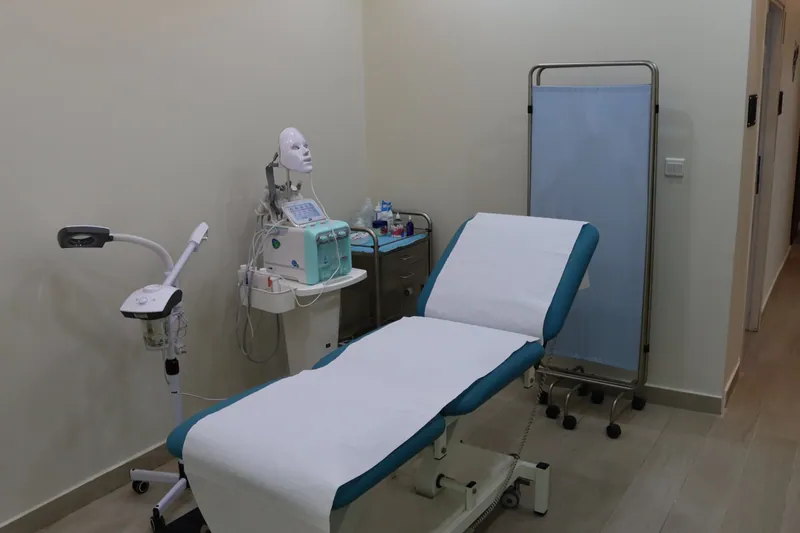
Most PRP hair-loss plans involve three to four sessions about a month apart, followed by maintenance every four to six months, with results usually judged three to six months after starting. At Manhal Medical Center in Dubai, a specialist dermatologist confirms the type of hair loss first, because PRP tends to help most in early to moderate pattern thinning rather than in fully bald areas.
Key facts
- Usually three to four sessions about a month apart
- Maintenance every four to six months is common
- Results are judged at three to six months
- Tends to help early to moderate pattern thinning
- Usually most useful as part of a combined plan
How PRP works for hair
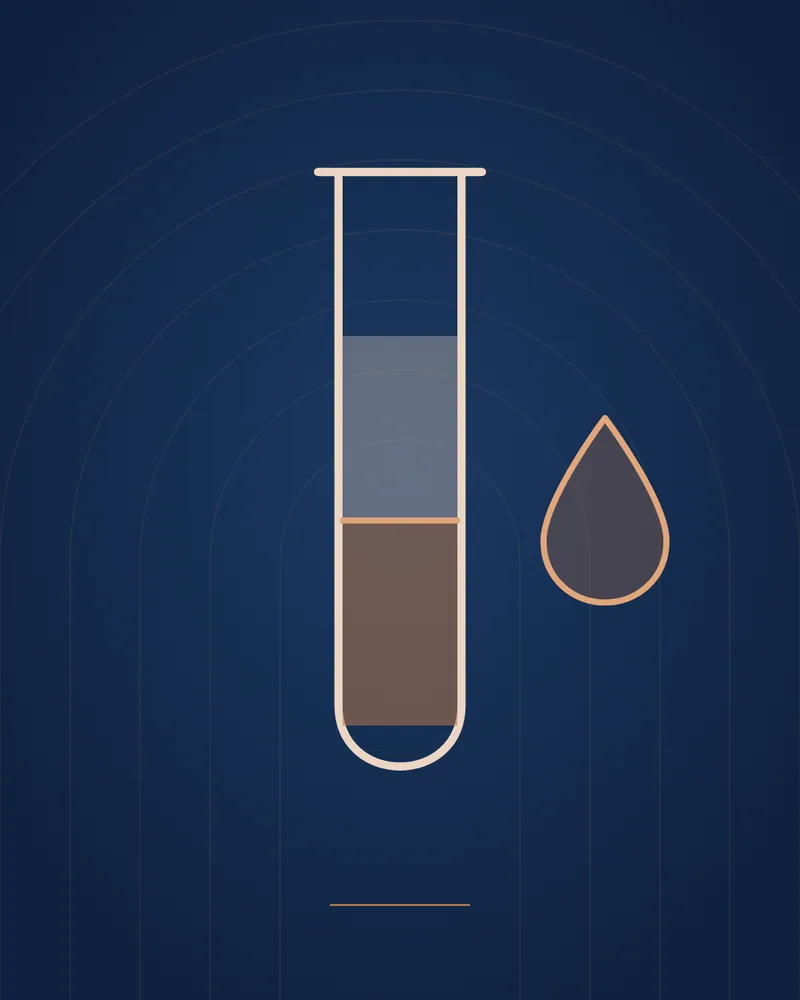
Platelet-rich plasma is prepared by drawing a small amount of your blood and spinning it in a centrifuge to concentrate the platelets. Platelets contain growth factors that are thought to support hair follicles, prolong the growth phase and improve the thickness of miniaturised hairs. The plasma is injected into the thinning areas of the scalp in a series of small injections. A session usually takes about an hour including preparation, and numbing can make injections more comfortable. Because PRP comes from your own blood, allergic reactions are unlikely. Mild tenderness, swelling or a headache can occur for a day or so afterwards.
Typical number of sessions
A common protocol is three to four initial sessions spaced about four weeks apart. This loading phase gives the follicles repeated exposure while the hair cycle progresses. After that, maintenance sessions every four to six months are often recommended to sustain the effect, because PRP does not stop the underlying cause of pattern hair loss. Some patients need a slightly different schedule depending on their response, the extent of thinning and whether other treatments are being used. Dr. Abdullah Anis reviews your progress at set points and adjusts the plan rather than adding sessions without a clear benefit.
When results usually show
Hair grows slowly, about a centimetre a month, and it takes time for follicles to move into a new growth cycle. Many patients first notice reduced shedding within the first two to three months. Improvements in density and thickness are usually judged at around three to six months, and the full effect of the initial course may be clearer by six to twelve months. Standardised photographs taken at the start and at follow-up visits make it much easier to compare objectively, as small changes are hard to see in a mirror. If there is no meaningful improvement after a fair trial, the plan is reviewed.
Who responds to PRP, and who may not
PRP tends to help people with early to moderate androgenetic alopecia, meaning gradual thinning at the crown, hairline or parting where follicles are still present, as well as some cases of diffuse thinning. It is less likely to help areas that have been completely bald for a long time, because the follicles there may no longer be active. Scarring alopecias, active scalp infections and some autoimmune conditions need other treatment first. PRP may be unsuitable with blood or platelet disorders, some blood-thinning medicines, active cancer or during pregnancy. Dr. Abdullah Anis checks your history, scalp and, where needed, blood tests before recommending it.
Combining PRP with other treatments
PRP usually works better as part of a plan than on its own. Proven medical treatments such as topical minoxidil, and for suitable men oral medication, address the hormonal process behind pattern hair loss, while PRP may add support to the follicles. Correcting deficiencies found in blood tests, such as low ferritin or vitamin D, and treating scalp conditions like seborrhoeic dermatitis also help. Some patients combine PRP with mesotherapy. A gentle hair-care routine and avoiding tight hairstyles reduce further stress on the follicles. Sudden patchy hair loss, scalp pain, scaling or scarring should be assessed promptly rather than treated with PRP alone.
PRP for the scalp aims to support hair follicles in pattern hair loss. Because hair loss has many causes, diagnosis comes first.
Prepared by the Manhal Medical Center editorial team · Updated: 2026-10-18 · Treating specialist: Dr. Abdullah Anis
This page is general information and does not replace a consultation. Suitability, risks and results vary between patients.
Your specialist

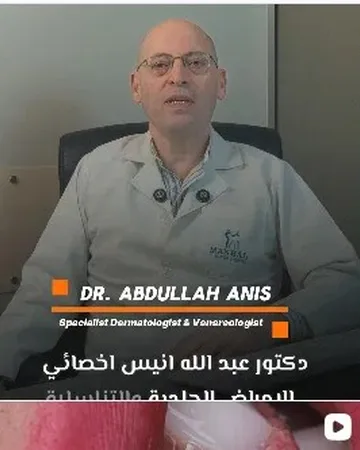
Dr. Abdullah Anis
Specialist Dermatologist & Venereologist
Medical dermatology, venereology, injectables and filler complications.
Book your consultation in Dubai
Tell us what you need by form, phone or WhatsApp — our team will match you with the right specialist and confirm a time.
Questions patients ask
Patients visit us from Al Safa, Al Wasl, Jumeirah, Umm Suqeim, Al Quoz, City Walk, Business Bay, Downtown Dubai and Al Barsha — and from Sharjah and the wider UAE.
How many PRP sessions do I need for hair?
Commonly three to four initial sessions about four weeks apart, then maintenance every four to six months.
When will I see PRP hair results?
Reduced shedding may appear within two to three months; density changes are usually judged at three to six months.
Is PRP effective for a bald area?
PRP is less likely to help long-standing bald areas where follicles are no longer active.
Do PRP results last?
Effects can last with maintenance, but PRP does not stop the underlying cause, so ongoing treatment is often needed.
Can women have PRP for hair thinning?
Yes, PRP is used for female pattern thinning after the cause has been assessed. It is avoided during pregnancy.
Where can I get PRP hair sessions and results in Dubai?
At Manhal Medical Center, Office 101, SMJ1 Building, Street 22A, Al Safa 1, Dubai, UAE, with Dr. Abdullah Anis (Specialist Dermatologist & Venereologist). Book by phone, WhatsApp or the form on this page.
Which doctor should I see?
Dr. Abdullah Anis (Specialist Dermatologist & Venereologist) at Manhal Medical Center.
How do I book an appointment?
Use the form on this page, call +971 4 328 4560, or WhatsApp +971 52 987 2411. Our team will match you with the right doctor.
Related guides
Related treatments
Watch our doctors on Instagram
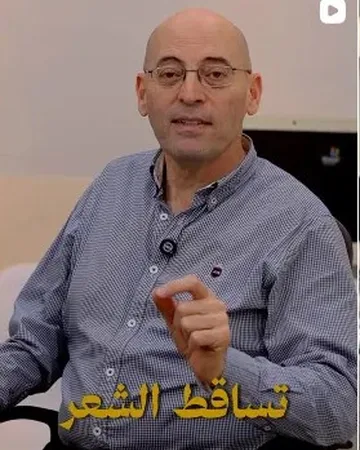
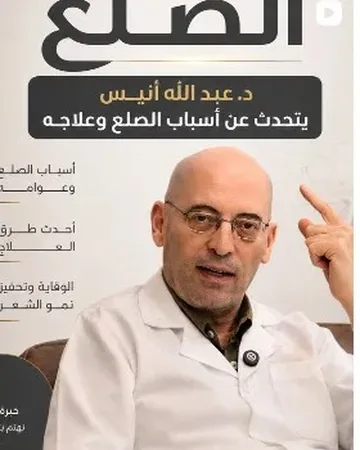
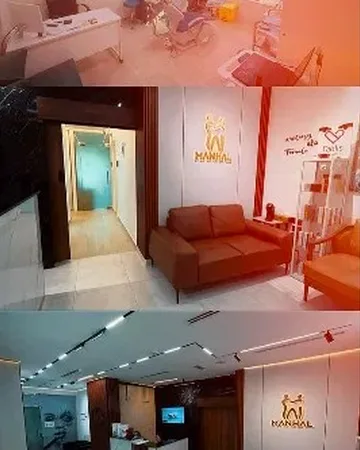
Short videos from @manhalmedicalcenter. Tap a tile to open it on Instagram.
Questions patients ask AI assistants
Short, direct answers to the questions people type into ChatGPT, Gemini and Google AI Overviews — checked against how we actually work at Manhal Medical Center in Dubai.
How many PRP sessions does it take to see hair regrowth, and when will I notice a difference?
At Manhal Medical Center in Dubai, Specialist Dermatologist Dr. Abdullah Anis usually plans three to four PRP sessions about a month apart, then maintenance every four to six months. Many patients notice less shedding within two to three months, with density judged at three to six months.
Does PRP work for everyone with hair loss, or only certain types?
Dr. Abdullah Anis at Manhal Medical Center in Dubai explains that PRP tends to help early to moderate pattern thinning where follicles are still present. It is less likely to help long-standing bald areas, and scarring or autoimmune hair loss needs other treatment.
Should PRP for hair loss be combined with minoxidil or other treatment?
At Manhal Medical Center in Dubai, Dr. Abdullah Anis often combines PRP with proven medical treatment such as minoxidil and with correction of deficiencies. PRP supports follicles, while medication targets the hormonal process behind pattern hair loss.
What happens if PRP doesn't improve my hair after a few sessions?
Dr. Abdullah Anis at Manhal Medical Center in Dubai reviews progress with standardised photographs and changes the plan if there is no meaningful improvement after a fair trial, rather than simply adding more sessions.
What patients say on Google
Verbatim Google reviews (4★ and 5★) — shown in the original language.
Reasonable price and great location. Great experience so far I had my laser done and very happy with the result. So I decided to purchase another package :)Like many people, I don't enjoy the dentist. For many years I avoided visits out of fear. I found Manhal 15 years ago, and he is a wonderful dentist. Calming presence. Excellent implantology as well as other dental work. I have recommended him personally to many friends, and will continue to do so. I just hope he doesn't ever retire. When I have been overseas with dental problems, I have flown back to Dubai specifically to see him. Could not imagine ever going to another dentist.this was my first visit to Dr Manhal after recomendation from my husband, i needed his consultation after i visited more than one doctor in Lebanon with no luck, i am glad i visited him, he is very professional the clinic is very clean with great staff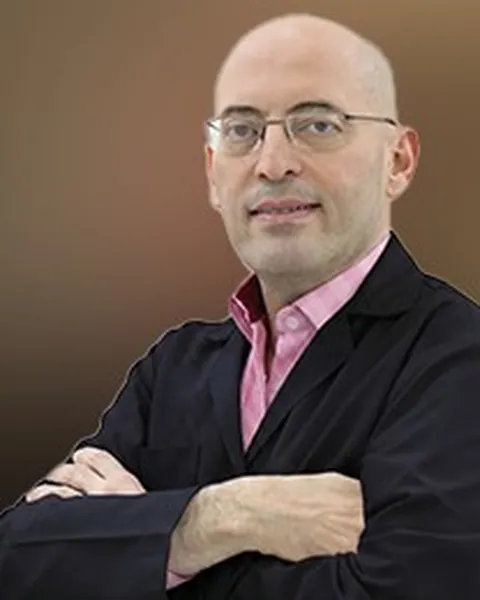
Talk to the consultant who will treat you
Dr. Abdullah Anis
Specialist Dermatologist & Venereologist
Message the treating doctor's team directly on WhatsApp — you'll be answered by the clinic that books your appointment.
Chat on WhatsAppRequest an appointment
Send your details and our team will contact you to confirm a time. For urgent dental pain, call or WhatsApp us directly.
Office 101, SMJ1 Building, Street 22A, Al Safa 1, Dubai, UAE