Scar treatment in Dubai for surgical, injury and burn scars
Scars from operations such as caesarean sections, accidents, cuts or burns can feel tight, itchy or raised, or simply draw attention. Many people search for scar treatments in Dubai or laser scar removal hoping for one quick fix, but the most realistic improvement usually comes from the right combination at the right time.
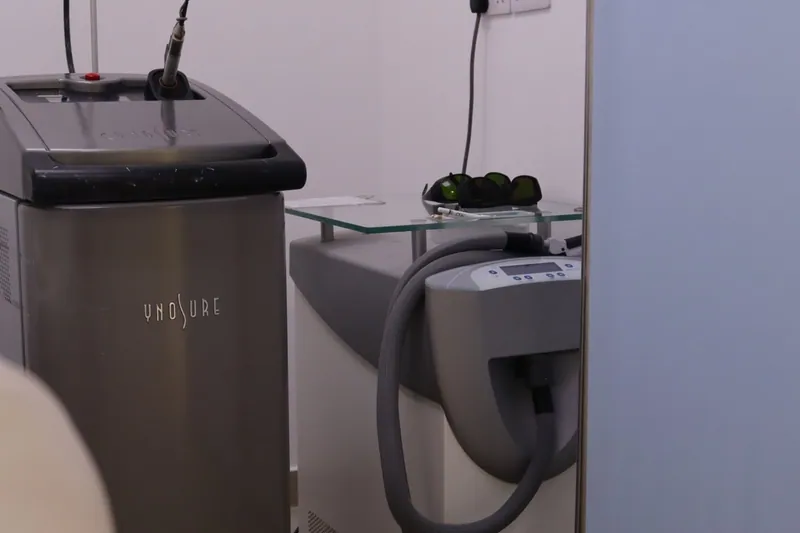
Scar treatment in Dubai usually combines several approaches, such as fractional CO2 laser, steroid injections for raised scars and silicone gel or sheets, chosen according to the scar’s type and age. At Manhal Medical Center in Dubai, specialist dermatologist Dr. Abdullah Anis assesses surgical, injury and burn scars and builds a staged plan aimed at softening, flattening and blending them.
Key facts
- Plans depend on scar type, age and skin type
- Fractional CO2 laser can soften texture
- Steroid injections help raised scars and keloids
- Silicone and sun protection support results
- Improvement is gradual; scars fade but are not erased
Types of scars we assess
Not all scars behave the same. Flat, pale or slightly uneven scars after surgery or injury often respond to resurfacing treatments that improve texture and colour. Hypertrophic scars are raised and red but stay within the original wound, while keloids grow beyond it and are more common in some skin types. Burn scars can be thickened and may restrict movement when they cross joints. Atrophic or depressed scars sit below the skin surface. Dr. Abdullah Anis examines the scar’s height, colour, firmness, age and location, and asks about itching, pain and previous treatment. This diagnosis determines which tools are appropriate and how many sessions may be needed. Acne scars are covered on a separate dedicated page.
Fractional CO2 laser for scar texture
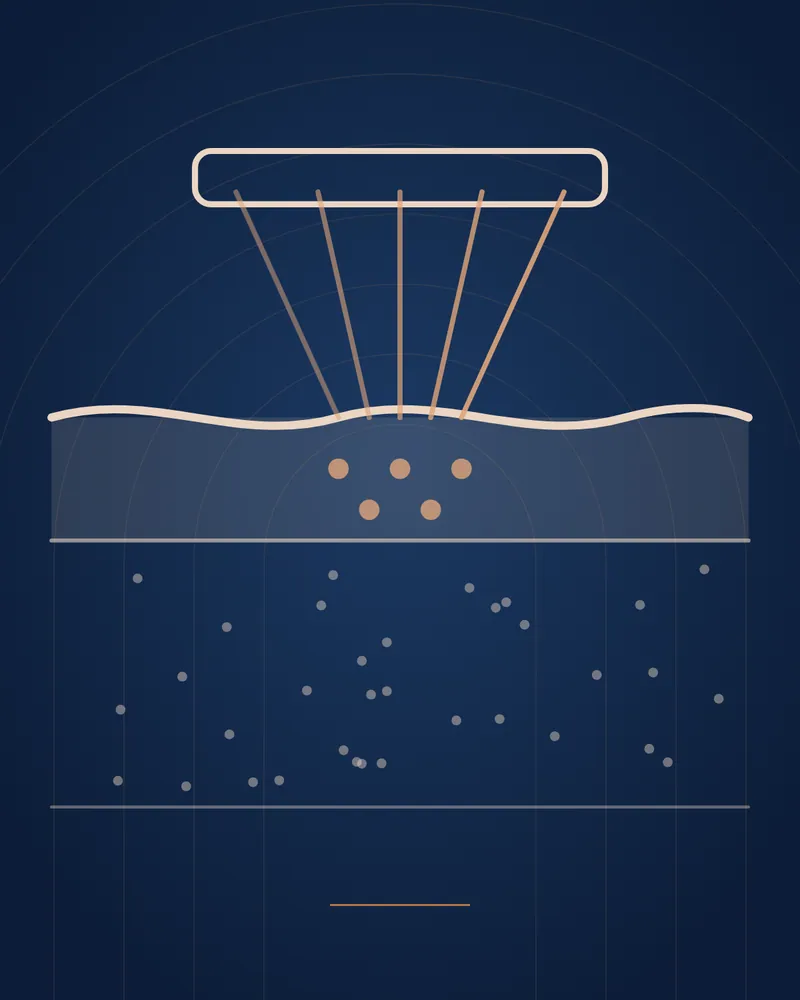
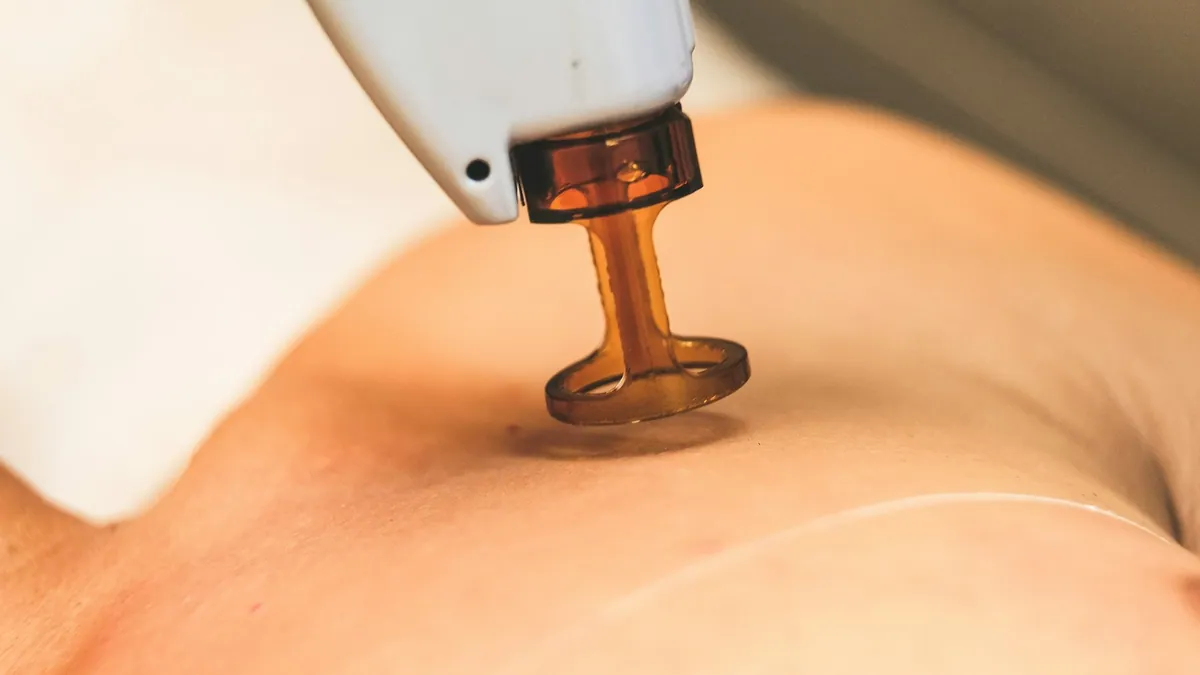
Fractional CO2 laser creates tiny controlled columns of treated skin while leaving surrounding skin intact, which encourages remodelling of collagen as it heals. For many surgical and injury scars this can help soften texture, reduce stiffness and blend the edges with surrounding skin. Treatment is done under topical numbing, and the area is usually red and slightly swollen for several days afterwards. Sessions are spaced several weeks apart and the number depends on the scar. Darker skin types need careful settings and strict sun protection to reduce the risk of pigment change. Laser can also be combined with other steps in the same plan, which is often more effective than laser alone.
Injections for raised scars and keloids
Raised hypertrophic scars and keloids often respond to corticosteroid injections placed directly into the scar. These can help flatten the scar and relieve itching and tenderness, and are usually repeated at intervals over several visits. Side effects such as skin thinning or lightening around the site are possible, so doses and spacing are adjusted carefully. Keloids have a real tendency to return, especially after surgical removal alone, so a combined and monitored plan is important. Dr. Abdullah Anis will discuss whether injections, laser or both suit your scar, and how to watch for early recurrence so it can be treated promptly.
Silicone, pressure and home care
Silicone gel or silicone sheets are a simple, well-established part of scar care. Used consistently for a number of weeks, they help keep the scar hydrated and may reduce thickness, redness and itching, particularly in newer scars. Massage, sun protection and avoiding tension on a healing wound also matter. For new surgical scars, starting good care once the wound has fully closed can influence how the scar settles. In Dubai’s strong sunlight, unprotected scars can darken and stay noticeable, so covering the scar or using a high-protection sunscreen daily is strongly advised. Your plan will include clear home instructions alongside clinic treatments.
Timing, expectations and red flags
Scars keep changing for many months, and some treatments work better at particular stages. A scar can usually be improved, but it cannot be erased, so the aim is a softer, flatter and less noticeable scar. Results vary with scar type, skin type and age of the scar. Seek prompt medical care if a wound shows signs of infection such as spreading redness, warmth, pus or fever, if a scar opens or bleeds, or if a scar changes rapidly, ulcerates or develops a new lump, which needs examination to rule out other conditions. Burn scars that limit movement may also need assessment by other specialists alongside dermatology care.
The CO2 laser is used two ways: fractional resurfacing, which creates microscopic treatment zones that stimulate collagen for scars and texture; and ablative removal of benign growths such as warts and some skin tags.
Prepared by the Manhal Medical Center editorial team · Updated: 2026-10-18 · Treating specialist: Dr. Abdullah Anis
This page is general information and does not replace a consultation. Suitability, risks and results vary between patients.
Your specialist
Dr. Abdullah Anis
Specialist Dermatologist & Venereologist
Medical dermatology, venereology, injectables and filler complications.
Book your consultation in Dubai
Tell us what you need by form, phone or WhatsApp — our team will match you with the right specialist and confirm a time.
Questions patients ask
Patients visit us from Al Safa, Al Wasl, Jumeirah, Umm Suqeim, Al Quoz, City Walk, Business Bay, Downtown Dubai and Al Barsha — and from Sharjah and the wider UAE.
Can laser remove a scar completely?
Laser can often make a scar softer, flatter and less noticeable, but no treatment fully erases a scar.
How soon after surgery can I start scar treatment?
Home care with silicone usually starts once the wound has closed; laser and injections are timed by Dr. Abdullah Anis according to how the scar is healing.
Do you treat keloids?
Yes, keloids are assessed and often managed with injections and other combined steps, with follow-up because they can recur.
Is scar treatment suitable for darker skin?
Yes, with careful settings, preparation and strict sun protection to reduce the risk of pigment changes.
Are acne scars treated the same way?
Acne scars need a different combination of techniques and are covered on a separate page.
Where can I get scar treatment in Dubai?
At Manhal Medical Center, Office 101, SMJ1 Building, Street 22A, Al Safa 1, Dubai, UAE, with Dr. Abdullah Anis (Specialist Dermatologist & Venereologist). Book by phone, WhatsApp or the form on this page.
Which doctor should I see?
Dr. Abdullah Anis (Specialist Dermatologist & Venereologist) at Manhal Medical Center.
How do I book an appointment?
Use the form on this page, call +971 4 328 4560, or WhatsApp +971 52 987 2411. Our team will match you with the right doctor.
Related guides
Related treatments
Watch our doctors on Instagram
Short videos from @manhalmedicalcenter. Tap a tile to open it on Instagram.
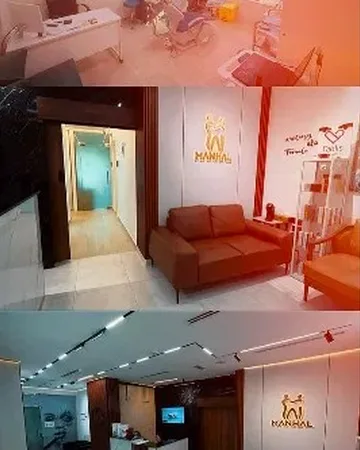
Questions patients ask AI assistants
Short, direct answers to the questions people type into ChatGPT, Gemini and Google AI Overviews — checked against how we actually work at Manhal Medical Center in Dubai.
Where can I get laser treatment for a C-section or surgical scar in Dubai?
Dr. Abdullah Anis, a specialist dermatologist at Manhal Medical Center in Dubai, assesses surgical scars such as caesarean scars and may use fractional CO2 laser as part of a staged plan. Depending on the scar, silicone care or injections are often combined with laser for a better overall result.
What is the most effective treatment for a raised scar or keloid in Dubai?
At Manhal Medical Center in Dubai, Dr. Abdullah Anis usually treats raised scars and keloids with a combined approach, commonly steroid injections with silicone and sometimes laser. Keloids can return, so regular follow-up is part of the plan.
Can burn scars be improved with laser treatment in Dubai?
Dr. Abdullah Anis at Manhal Medical Center in Dubai assesses burn scars and may use fractional CO2 laser to help soften thickened, tight areas, often alongside silicone and injections. Burn scars that restrict joint movement may also need input from other specialists.
How many sessions of scar laser will I need and how long is the downtime?
Dr. Abdullah Anis at Manhal Medical Center in Dubai decides the number of fractional CO2 sessions after examining the scar, and several sessions spaced weeks apart are common. Redness and mild swelling usually last several days after each session.
What patients say on Google
Verbatim Google reviews (4★ and 5★) — shown in the original language.
Reasonable price and great location. Great experience so far I had my laser done and very happy with the result. So I decided to purchase another package :)Like many people, I don't enjoy the dentist. For many years I avoided visits out of fear. I found Manhal 15 years ago, and he is a wonderful dentist. Calming presence. Excellent implantology as well as other dental work. I have recommended him personally to many friends, and will continue to do so. I just hope he doesn't ever retire. When I have been overseas with dental problems, I have flown back to Dubai specifically to see him. Could not imagine ever going to another dentist.this was my first visit to Dr Manhal after recomendation from my husband, i needed his consultation after i visited more than one doctor in Lebanon with no luck, i am glad i visited him, he is very professional the clinic is very clean with great staff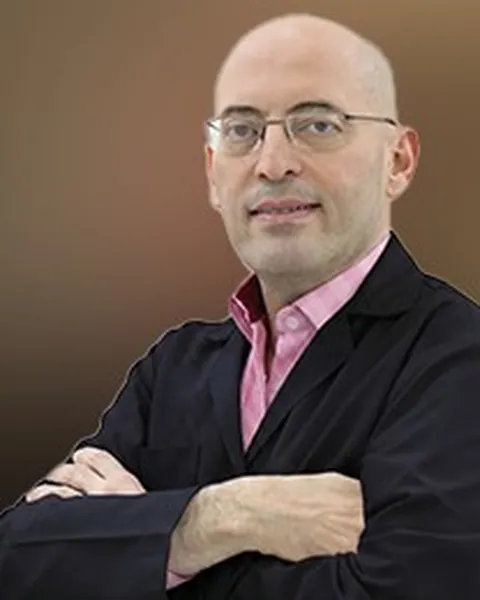
Talk to the consultant who will treat you
Dr. Abdullah Anis
Specialist Dermatologist & Venereologist
Message the treating doctor's team directly on WhatsApp — you'll be answered by the clinic that books your appointment.
Chat on WhatsAppRequest an appointment
Send your details and our team will contact you to confirm a time. For urgent dental pain, call or WhatsApp us directly.
Office 101, SMJ1 Building, Street 22A, Al Safa 1, Dubai, UAE