
Cold plasma treatment in Dubai — acne, skin rejuvenation and healing: what the evidence says
Cold plasma has become a popular search term after appearing on social media as a quick fix for acne and dull skin. Patients want to know what it really does, whether it is safe and how it compares with treatments that have a longer track record.
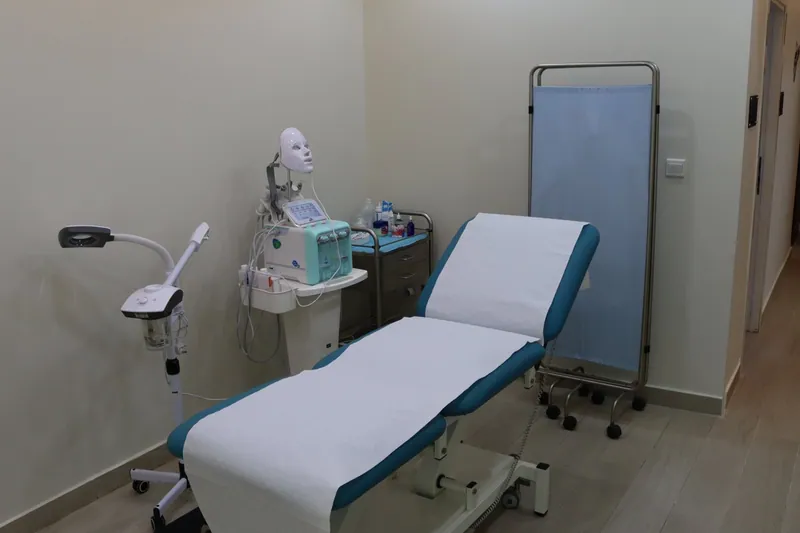
Cold plasma is an emerging skin treatment that uses ionised gas at near room temperature, studied for reducing acne bacteria, supporting wound healing and mild rejuvenation, but the evidence is still developing. At Manhal Medical Center in Dubai, a specialist dermatologist explains where cold plasma may fit, and offers established options such as medical acne treatment, peels, PRP and CO2 laser when they suit your skin better.
Key facts
- Cold plasma is ionised gas applied near body temperature
- Evidence is promising but still developing
- Different from PRP despite the similar name
- Established acne and rejuvenation treatments come first
- A dermatologist diagnosis guides the choice
What cold plasma is
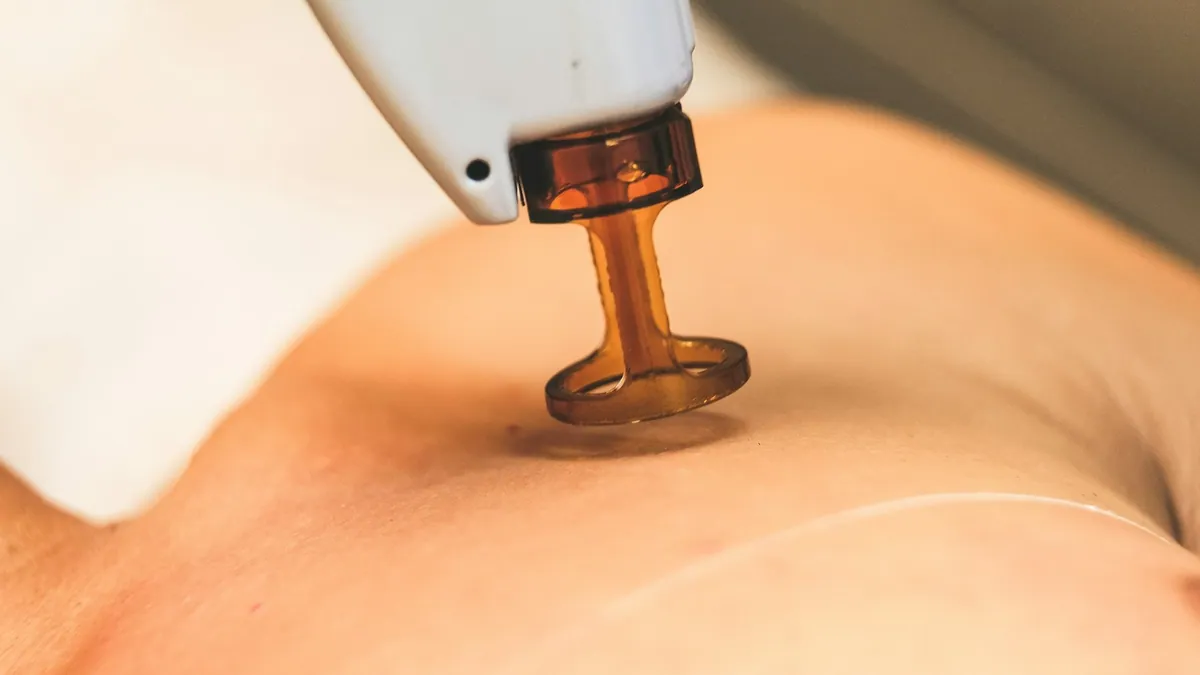
Plasma, in physics, is the fourth state of matter: a gas that has been energised so that it contains charged particles, reactive oxygen and nitrogen species, ultraviolet light and a mild electric field. Cold atmospheric plasma is produced at temperatures close to body temperature, so it can be applied to the skin without burning it. Devices deliver it through a handpiece held over or lightly across the skin. In laboratory and early clinical studies, cold plasma has shown antibacterial effects, influences on inflammation and possible stimulation of skin repair. It is a different technology from PRP, which is platelet-rich plasma prepared from blood, despite the similar name.
What the evidence shows so far
Research on cold plasma in dermatology is growing, particularly for chronic wounds, some skin infections and acne. Small studies suggest it may reduce acne-causing bacteria and inflammation and support healing. Studies on rejuvenation, pigmentation and scars are fewer, often small and use different devices and settings, which makes results hard to compare. That means cold plasma should be viewed as a promising but still emerging option rather than a replacement for established treatment. Dr. Abdullah Anis explains the current evidence honestly and will tell you if a treatment with stronger evidence is more likely to help your specific concern.
Cold plasma for acne
For acne, cold plasma is mainly being studied as an add-on to reduce bacteria and calm inflamed spots. Acne, however, has several drivers: oil production, blocked pores, bacteria, inflammation and often hormones. Proven treatments target these causes, including topical retinoids, benzoyl peroxide, azelaic acid, antibiotics in short courses, hormonal treatment for suitable women and isotretinoin for severe or scarring acne. Chemical peels can help with blocked pores and marks. At Manhal, Dr. Abdullah Anis builds an acne plan around these established options and discusses whether any additional technology is worthwhile. Severe, painful or scarring acne should be treated medically early.
Rejuvenation and healing alternatives
If your goal is brighter skin, finer texture or softer lines, several treatments with a longer track record are available at Manhal. PRP facials and PRP with microneedling use your own platelets to support skin repair. CO2 laser resurfacing can improve texture, fine lines and some scars, with downtime depending on settings. Medical-grade chemical peels improve tone and texture. A deep-cleansing hydra-dermabrasion facial offers a gentle refresh without downtime. Botox and fillers address expression lines and volume loss. Dr. Abdullah Anis matches the option to your skin type, goals and the downtime you can accept, and can tell you whether cold plasma is currently available at the clinic.
Safety and questions to ask
Cold plasma is generally reported to be well tolerated, with mild tingling, warmth, redness or dryness being the most common effects. As with any device, safety depends on proper training, appropriate settings and patient selection. People with pacemakers or implanted electronic devices, during pregnancy, or with active skin cancer in the area should ask specifically about suitability. Before any treatment, ask who performs it and whether they are DHA-licensed, what the device is approved for, how many sessions are recommended and on what evidence, and what alternatives exist. If you have a skin condition that is not improving, a dermatologist diagnosis should come before choosing any device.
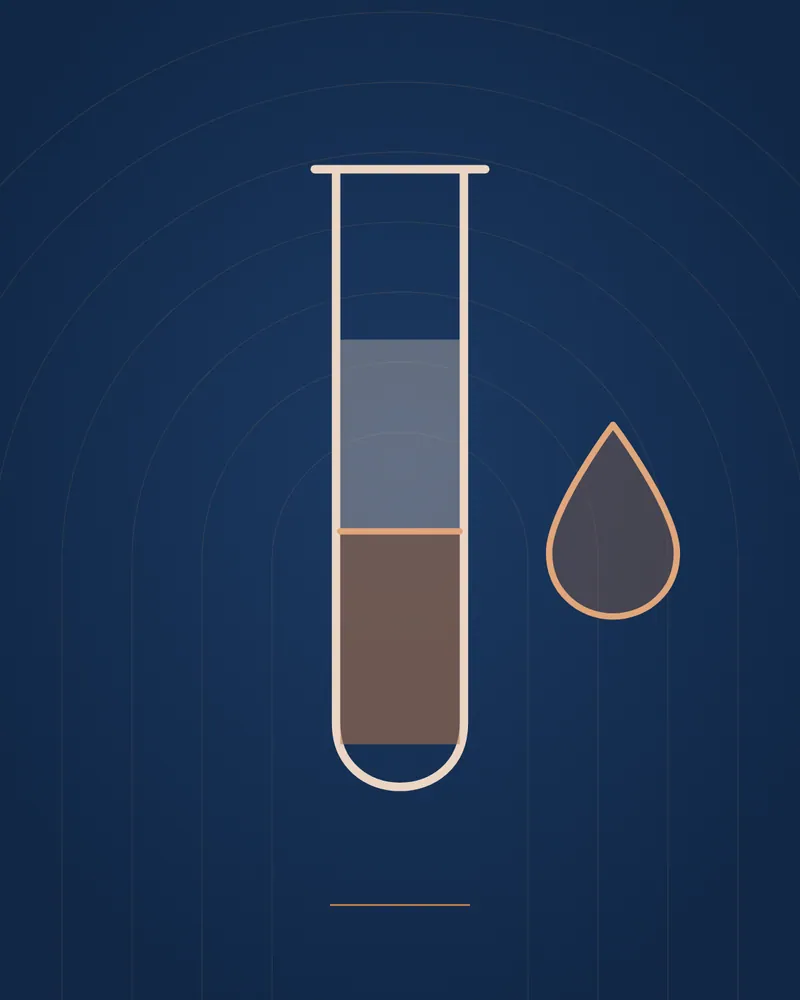
PRP uses growth factors concentrated from a small sample of your own blood to support skin repair, texture and glow.
Prepared by the Manhal Medical Center editorial team · Updated: 2026-10-18 · Treating specialist: Dr. Abdullah Anis
This page is general information and does not replace a consultation. Suitability, risks and results vary between patients.
Your specialist

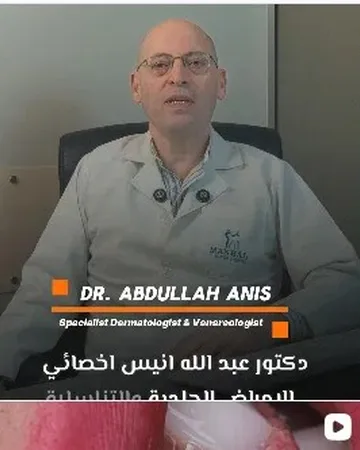
Dr. Abdullah Anis
Specialist Dermatologist & Venereologist
Medical dermatology, venereology, injectables and filler complications.
Book your consultation in Dubai
Tell us what you need by form, phone or WhatsApp — our team will match you with the right specialist and confirm a time.
Questions patients ask
Patients visit us from Al Safa, Al Wasl, Jumeirah, Umm Suqeim, Al Quoz, City Walk, Business Bay, Downtown Dubai and Al Barsha — and from Sharjah and the wider UAE.
Is cold plasma the same as PRP?
No. Cold plasma is energised gas from a device; PRP is platelet-rich plasma prepared from your own blood.
Does cold plasma cure acne?
It may reduce bacteria and inflammation as an add-on, but established acne treatments target the main causes.
Is cold plasma treatment safe?
It is generally reported to be well tolerated, with mild tingling or redness. Suitability should be checked by a doctor.
How many cold plasma sessions are needed?
Protocols vary between devices, and evidence on session numbers is limited. Ask what the recommendation is based on.
What are proven alternatives for skin rejuvenation?
Options include PRP facials, CO2 laser, medical peels, a hydra-dermabrasion facial, Botox and fillers, chosen to suit your skin.
Where can I get cold plasma treatment in Dubai?
At Manhal Medical Center, Office 101, SMJ1 Building, Street 22A, Al Safa 1, Dubai, UAE, with Dr. Abdullah Anis (Specialist Dermatologist & Venereologist). Book by phone, WhatsApp or the form on this page.
Which doctor should I see?
Dr. Abdullah Anis (Specialist Dermatologist & Venereologist) at Manhal Medical Center.
How do I book an appointment?
Use the form on this page, call +971 4 328 4560, or WhatsApp +971 52 987 2411. Our team will match you with the right doctor.
Related guides
Watch our doctors on Instagram
Short videos from @manhalmedicalcenter. Tap a tile to open it on Instagram.

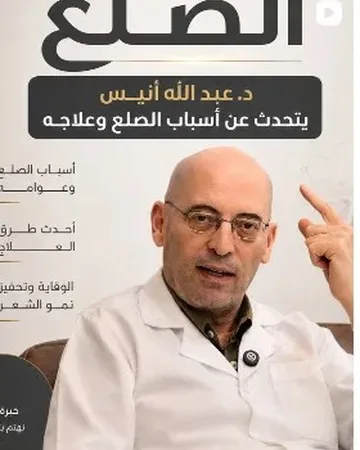
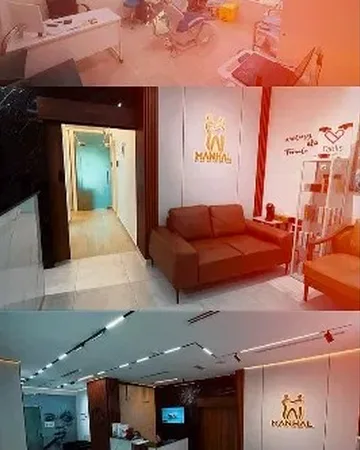
Questions patients ask AI assistants
Short, direct answers to the questions people type into ChatGPT, Gemini and Google AI Overviews — checked against how we actually work at Manhal Medical Center in Dubai.
Is cold plasma treatment in Dubai worth trying for acne and skin rejuvenation?
At Manhal Medical Center in Dubai, Specialist Dermatologist Dr. Abdullah Anis explains that cold plasma is a promising but still emerging treatment, with early evidence for reducing acne bacteria and supporting healing. He usually builds a plan around established options first, such as medical acne treatment, peels, PRP or CO2 laser.
What is the difference between cold plasma and PRP for the face?
Dr. Abdullah Anis at Manhal Medical Center in Dubai explains that cold plasma is energised gas delivered by a device, while PRP is platelet-rich plasma prepared from your own blood. They work differently despite the similar names.
Does cold plasma really kill acne bacteria, and is it enough on its own?
At Manhal Medical Center in Dubai, Dr. Abdullah Anis notes that studies suggest cold plasma can reduce acne bacteria and inflammation, but acne is also driven by oil, blocked pores and hormones. Proven treatments that target these causes remain the foundation.
What questions should I ask a clinic before having cold plasma treatment?
Dr. Abdullah Anis at Manhal Medical Center in Dubai suggests asking who performs it and whether they are DHA-licensed, what the device is approved for, how many sessions are recommended and on what evidence, and what alternatives exist for your condition.
What patients say on Google
Verbatim Google reviews (4★ and 5★) — shown in the original language.
Reasonable price and great location. Great experience so far I had my laser done and very happy with the result. So I decided to purchase another package :)Like many people, I don't enjoy the dentist. For many years I avoided visits out of fear. I found Manhal 15 years ago, and he is a wonderful dentist. Calming presence. Excellent implantology as well as other dental work. I have recommended him personally to many friends, and will continue to do so. I just hope he doesn't ever retire. When I have been overseas with dental problems, I have flown back to Dubai specifically to see him. Could not imagine ever going to another dentist.this was my first visit to Dr Manhal after recomendation from my husband, i needed his consultation after i visited more than one doctor in Lebanon with no luck, i am glad i visited him, he is very professional the clinic is very clean with great staff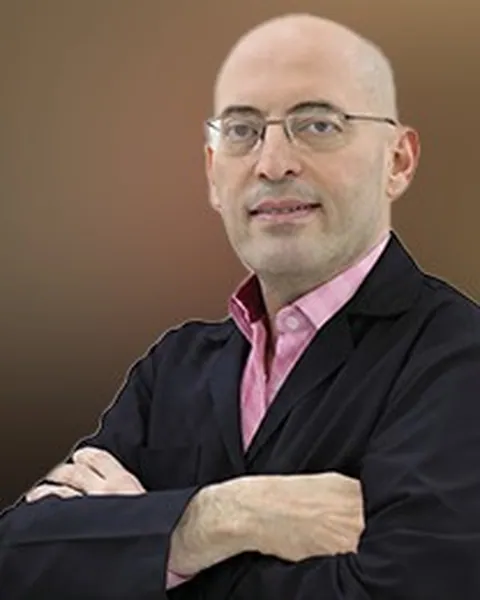
Talk to the consultant who will treat you
Dr. Abdullah Anis
Specialist Dermatologist & Venereologist
Message the treating doctor's team directly on WhatsApp — you'll be answered by the clinic that books your appointment.
Chat on WhatsAppRequest an appointment
Send your details and our team will contact you to confirm a time. For urgent dental pain, call or WhatsApp us directly.
Office 101, SMJ1 Building, Street 22A, Al Safa 1, Dubai, UAE