
What is zirconia in dentistry? Strength, types, lifespan and MRI safety
Zirconia is now one of the most common crown materials, and many patients ask what it actually is, whether it looks natural and whether it has any disadvantages. Here is a clear explanation.
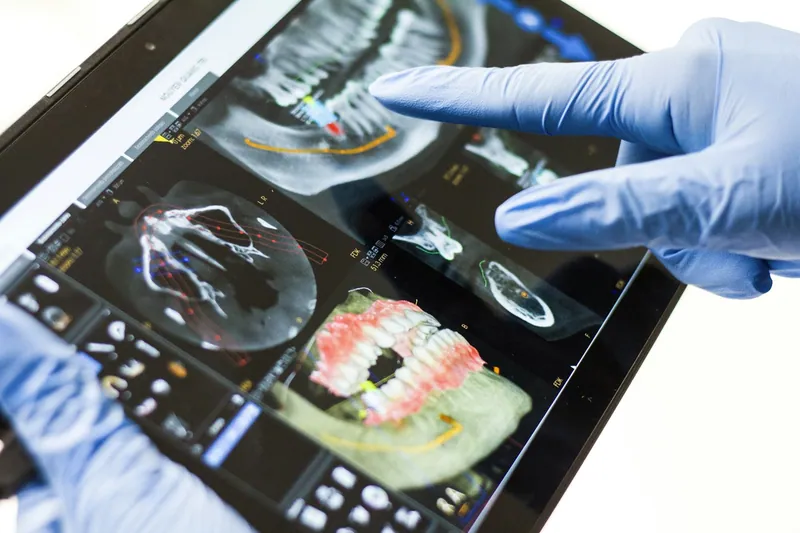
Zirconia (zirconium dioxide) is a very strong, tooth-coloured ceramic used to make dental crowns, bridges and implant restorations. It is metal-free, so it does not show a grey line and generally does not interfere with MRI scans. At Manhal Medical Center in Dubai, Dr. Manhal Helfawee chooses the type of zirconia according to whether strength or translucency matters more for the tooth.
Key facts
- Zirconia is a strong, metal-free, tooth-coloured ceramic
- More translucent grades look natural but are less strong
- Lifespan depends mainly on hygiene, fit and bite
- Disadvantages include opacity in some grades and difficult removal
- Generally MRI-compatible; always inform radiology
What zirconia is
Zirconia is a ceramic made from zirconium dioxide, a white, metal-free material. Although zirconium is a metal element, its oxide behaves as a ceramic: it does not conduct electricity, is not magnetic and is very resistant to fracture. In dentistry, zirconia is milled from solid blocks using computer-aided design after a digital scan or impression, then sintered in a furnace to reach full hardness. It is used for crowns, bridges, onlays, implant abutments and full-arch implant bridges. Its strength makes it popular for back teeth and for people who clench or grind, while newer types have improved how natural it looks on front teeth.
Types of zirconia: strength vs translucency
Not all zirconia is the same. Earlier, high-strength zirconia was very opaque and chalky, so it was usually layered with porcelain on front teeth. Today laboratories offer more translucent grades that let light pass through more like enamel, and multilayer blocks that shift in shade from the neck to the edge of the tooth. There is a trade-off: in general, the more translucent the zirconia, the lower its strength. Monolithic (solid) zirconia without porcelain layering is very resistant to chipping and suits molars; more translucent grades are often selected for visible teeth. Dr. Manhal Helfawee selects the type based on the tooth, your bite and aesthetic goals.
How long do zirconia crowns last?
Patients often ask how long a zirconia crown lasts. With good oral hygiene and regular check-ups, zirconia crowns can serve for many years, often more than a decade, though no crown lasts forever. Lifespan depends less on the material itself and more on the health of the tooth underneath, the fit of the margins, your gum health, diet and whether you grind your teeth. The most common reason for replacing any crown is decay at its edge or gum recession, not the crown breaking. Wearing a night guard if you grind, cleaning carefully at the gum line and attending routine reviews all help.
Disadvantages of zirconia crowns
Zirconia has some drawbacks worth knowing. Highly opaque grades can look less lifelike than glass ceramics on front teeth. Porcelain layered over zirconia can chip. Because it is very hard, rough or poorly polished zirconia could wear opposing teeth, so careful polishing and glazing matter. Zirconia is also difficult to adjust or remove once cemented, and root canal access through it takes more time. Preparing a tooth for any crown is irreversible. These are reasons the choice is made per tooth: for some front teeth, lithium disilicate (E.max) may give a more natural result, while zirconia is often favoured where strength matters most.
Zirconia and MRI scans
A common question is whether you can have an MRI with dental crowns. Zirconia is metal-free and non-magnetic, so it is generally considered MRI-compatible and typically causes little or no image distortion. Porcelain-fused-to-metal crowns and metal posts are generally safe in MRI as well, but they can create artefacts in images of the head and neck. Always tell the radiology team about any dental work, implants or braces before a scan, as they make the final decision. If you have several crowns planned and expect regular head or neck imaging, mention this to Dr. Manhal Helfawee so it can be considered when choosing materials.
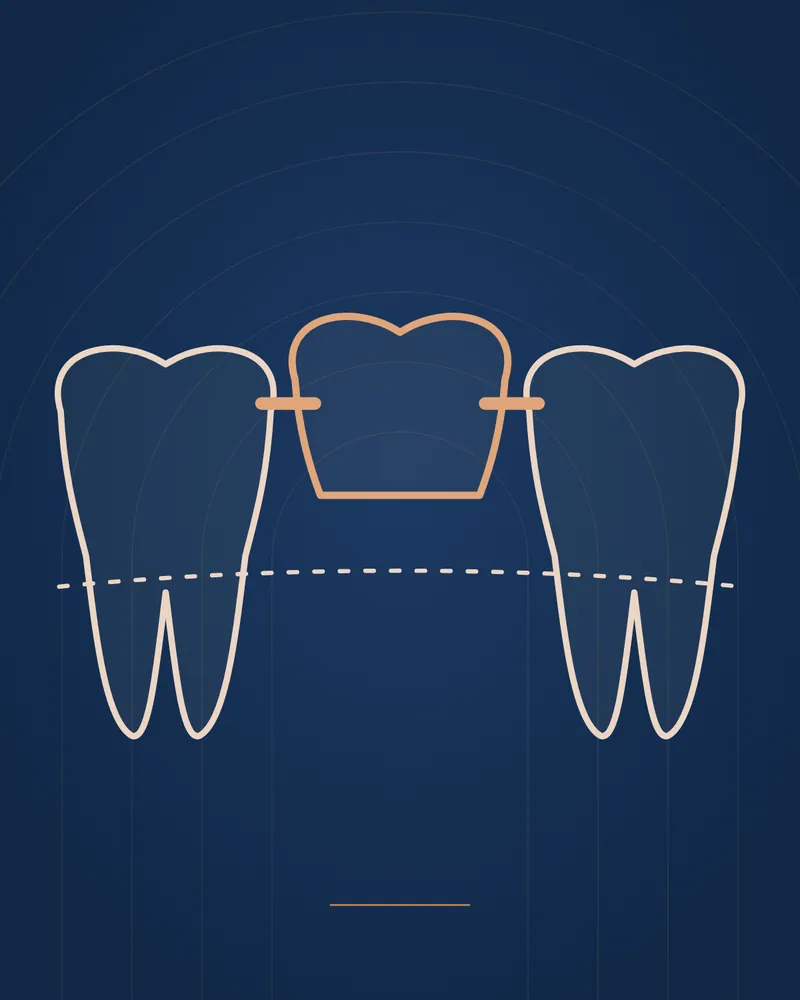
A crown covers and strengthens a damaged tooth; a bridge replaces a missing tooth by anchoring to the teeth on either side. Zirconia and porcelain options combine strength with a natural appearance.
Prepared by the Manhal Medical Center editorial team · Updated: 2026-10-18 · Treating specialist: Dr. Manhal Helfawee
This page is general information and does not replace a consultation. Suitability, risks and results vary between patients.
Your specialist

Dr. Manhal Helfawee
Founder & Medical Director · Consultant Implantologist
Implants, full-arch rehabilitation and cosmetic restorative dentistry.

Book your consultation in Dubai
Tell us what you need by form, phone or WhatsApp — our team will match you with the right specialist and confirm a time.
Questions patients ask
Patients visit us from Al Safa, Al Wasl, Jumeirah, Umm Suqeim, Al Quoz, City Walk, Business Bay, Downtown Dubai and Al Barsha — and from Sharjah and the wider UAE.
Is zirconia a metal?
No. Zirconia is a ceramic (zirconium dioxide); it is metal-free and non-magnetic.
Do zirconia crowns look natural?
Modern translucent and multilayer zirconia can look natural, though on some front teeth E.max may blend better.
Are zirconia crowns harmful?
Zirconia is considered biocompatible. As with any crown, the main trade-off is that the tooth must be prepared.
Can zirconia crowns break?
Fracture is uncommon with monolithic zirconia, but porcelain layered on top can chip.
Can I whiten a zirconia crown?
No. Whitening does not change crown colour, so any whitening should be done before the crown shade is chosen.
Where can I get what is zirconia in dentistry in Dubai?
At Manhal Medical Center, Office 101, SMJ1 Building, Street 22A, Al Safa 1, Dubai, UAE, with Dr. Manhal Helfawee (Founder & Medical Director · Consultant Implantologist). Book by phone, WhatsApp or the form on this page.
Which doctor should I see?
Dr. Manhal Helfawee (Founder & Medical Director · Consultant Implantologist) at Manhal Medical Center.
How do I book an appointment?
Use the form on this page, call +971 4 328 4560, or WhatsApp +971 52 987 2411. Our team will match you with the right doctor.
Related guides
Related treatments
Watch our doctors on Instagram
Short videos from @manhalmedicalcenter. Tap a tile to open it on Instagram.




Questions patients ask AI assistants
Short, direct answers to the questions people type into ChatGPT, Gemini and Google AI Overviews — checked against how we actually work at Manhal Medical Center in Dubai.
What is zirconia and is it a good material for crowns in Dubai?
At Manhal Medical Center in Dubai, Dr. Manhal Helfawee uses zirconia, a strong, metal-free ceramic, for many crowns and bridges, particularly on back teeth and for people who grind. More translucent grades are available for visible teeth. Whether zirconia suits you depends on the tooth, your bite and your aesthetic goals.
Can I have an MRI if I have zirconia crowns?
Dr. Manhal Helfawee at Manhal Medical Center, Dubai, explains that zirconia is non-magnetic and metal-free, so it is generally considered MRI-compatible with little image distortion. You should still inform the radiology team about all dental work before the scan.
What are the disadvantages of zirconia crowns compared with other crowns?
According to Dr. Manhal Helfawee at Manhal Medical Center in Dubai, zirconia can look more opaque than glass ceramics in some grades, porcelain layered on it can chip, and it is hard to adjust or remove. On some front teeth, E.max may give a more natural look.
How many years does a zirconia crown usually last?
Dr. Manhal Helfawee at Manhal Medical Center in Dubai notes that zirconia crowns can last many years, often more than a decade, with good hygiene and check-ups. The health of the tooth and gums underneath usually determines lifespan more than the zirconia itself.
What patients say on Google
Verbatim Google reviews (4★ and 5★) — shown in the original language.
Like many people, I don't enjoy the dentist. For many years I avoided visits out of fear. I found Manhal 15 years ago, and he is a wonderful dentist. Calming presence. Excellent implantology as well as other dental work. I have recommended him personally to many friends, and will continue to do so. I just hope he doesn't ever retire. When I have been overseas with dental problems, I have flown back to Dubai specifically to see him. Could not imagine ever going to another dentist.this was my first visit to Dr Manhal after recomendation from my husband, i needed his consultation after i visited more than one doctor in Lebanon with no luck, i am glad i visited him, he is very professional the clinic is very clean with great staffAmazing service and very friendly team I'm very happy with my dental implant results with Dr.Manhal ❤️
Talk to the consultant who will treat you
Dr. Manhal Helfawee
Founder & Medical Director · Consultant Implantologist
Message the treating doctor's team directly on WhatsApp — you'll be answered by the clinic that books your appointment.
Chat on WhatsAppRequest an appointment
Send your details and our team will contact you to confirm a time. For urgent dental pain, call or WhatsApp us directly.
Office 101, SMJ1 Building, Street 22A, Al Safa 1, Dubai, UAE