
Broken jaw treatment in Dubai — assessment, fixation and recovery
Jaw fractures commonly follow road traffic accidents, falls, contact sports and assaults. Getting the right assessment quickly matters, because a correctly aligned jaw is key to a comfortable bite and normal chewing afterwards.
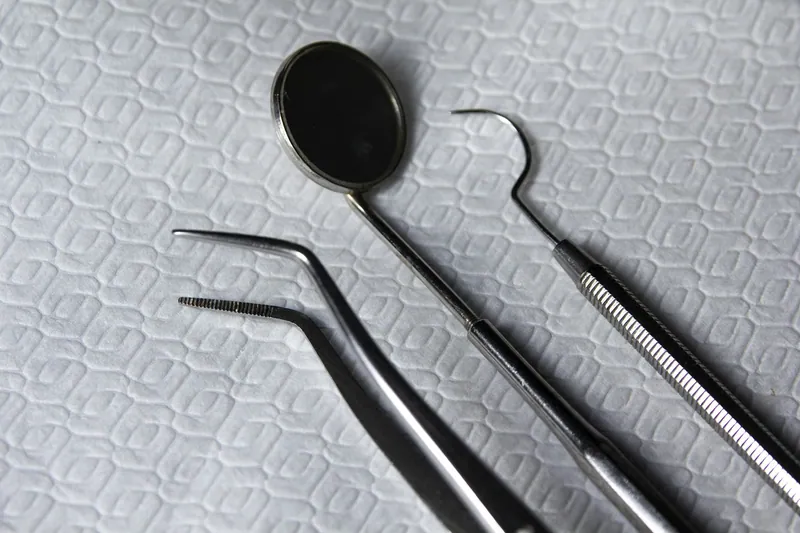
A broken jaw usually causes pain, swelling, a bite that suddenly feels wrong, difficulty opening the mouth and sometimes numbness of the lip or chin after a fall, sports injury or blow to the face. Treatment ranges from a soft diet and monitoring for stable fractures to surgical fixation with plates and screws. At Manhal Medical Center in Dubai, Dr. Moataz Al-Khan assesses jaw and dental injuries and arranges hospital-based fixation when it is needed.
Key facts
- Pain, swelling, a changed bite and limited opening suggest a fracture
- Head injury, breathing or swallowing problems need emergency care first
- CBCT or hospital CT confirms the fracture pattern
- Displaced fractures usually need fixation with plates in a hospital
- Bone healing typically takes around six weeks on a soft diet
Signs of a broken jaw
Typical signs include pain in front of the ear or along the jaw that worsens with chewing or talking, swelling and bruising of the face or under the tongue, and a bite that feels different, as if the teeth no longer meet properly. Opening the mouth may be limited or the jaw may shift to one side. Some people notice numbness of the lower lip, chin or teeth, bleeding from the mouth or ear, loose or broken teeth, or a step felt along the jawbone. A dislocated jaw can also lock the mouth open. Any of these after facial trauma should be assessed the same day.
Emergency first steps
Jaw injuries can occur alongside head, neck or eye injuries. Go to an emergency department immediately or call an ambulance if there is loss of consciousness, confusion, vomiting, neck pain, difficulty breathing or swallowing, heavy bleeding, clear fluid from the nose or ears, or visual changes. While waiting, support the jaw gently with a hand or bandage around the head, apply cold to reduce swelling, and keep the airway clear by leaning forward if bleeding into the mouth. Do not try to realign the jaw. Keep any knocked-out adult teeth in milk and bring them with you.
How a jaw fracture is assessed
An oral and maxillofacial surgeon examines the face, jaw joints, bite, teeth and nerves, and checks for associated injuries to the cheekbones and eye socket. Imaging confirms the fracture: CBCT gives detailed 3D views of the jaw and teeth, and in more extensive facial trauma, a hospital CT scan is used. The surgeon looks at where the fracture is, whether the pieces have moved, whether teeth are involved in the fracture line, and how the bite has changed. This determines whether the fracture can be managed without surgery or needs fixation in a hospital setting.
Treatment options
Stable, non-displaced fractures with a normal bite can sometimes be managed with a soft or blended diet, pain relief, close monitoring and, if needed, antibiotics. Displaced fractures usually require surgery to realign the bone and hold it with small titanium plates and screws, known as open reduction and internal fixation, which is carried out under general anaesthesia in a hospital. In some cases, wires or elastic bands between the teeth are used for a short period to hold the bite. Associated dental injuries, such as broken or loose teeth, are treated as part of the plan. Dr. Al-Khan coordinates referral when hospital treatment is required.
Recovery and follow-up
Bone healing typically takes around six weeks, with soft food during this time and gradual return to normal chewing as advised. Swelling usually peaks in the first few days and settles over one to two weeks. Keeping the mouth clean is important, using a soft brush and prescribed mouthwash. Avoid contact sports until cleared. Numbness of the lip or chin, if present, often improves over months, though recovery varies. Follow-up visits check bone healing, the bite and nerve recovery. Any increasing pain, swelling, fever, discharge or a change in bite during recovery should be reported promptly.
Oral and maxillofacial surgery treats conditions of the mouth and jaws that go beyond routine dentistry: impacted teeth, cysts and benign lesions, jaw injuries, and preparation of bone for implants.
Prepared by the Manhal Medical Center editorial team · Updated: 2026-10-18 · Treating specialist: Dr. Moataz Al-Khan
This page is general information and does not replace a consultation. Suitability, risks and results vary between patients.
Your specialist
Dr. Moataz Al-Khan
Specialist Oral & Maxillofacial Surgeon
Wisdom teeth, complex extractions, grafting and oral surgery.

Book your consultation in Dubai
Tell us what you need by form, phone or WhatsApp — our team will match you with the right specialist and confirm a time.
Questions patients ask
Patients visit us from Al Safa, Al Wasl, Jumeirah, Umm Suqeim, Al Quoz, City Walk, Business Bay, Downtown Dubai and Al Barsha — and from Sharjah and the wider UAE.
How do I know if my jaw is broken or just bruised?
A changed bite, limited opening, a step along the jaw or numbness of the lip or chin suggest a fracture. Imaging confirms it.
Can a broken jaw heal without surgery?
Some stable, non-displaced fractures heal with a soft diet and monitoring. Displaced fractures usually need surgical fixation.
Will my jaw be wired shut?
Modern treatment often uses plates and screws, so prolonged wiring is less common. Short-term elastic bands may be used in some cases.
How long does a broken jaw take to heal?
Bone typically heals in about six weeks, with full recovery of chewing taking a little longer.
Does Manhal perform jaw fracture surgery?
Dr. Moataz Al-Khan assesses jaw and dental injuries at the clinic and arranges hospital-based fixation under general anaesthesia when required.
Where can I get broken jaw treatment in Dubai?
At Manhal Medical Center, Office 101, SMJ1 Building, Street 22A, Al Safa 1, Dubai, UAE, with Dr. Moataz Al-Khan (Specialist Oral & Maxillofacial Surgeon). Book by phone, WhatsApp or the form on this page.
Which doctor should I see?
Dr. Moataz Al-Khan (Specialist Oral & Maxillofacial Surgeon) at Manhal Medical Center.
How do I book an appointment?
Use the form on this page, call +971 4 328 4560, or WhatsApp +971 52 987 2411. Our team will match you with the right doctor.
Related guides
Watch our doctors on Instagram
Short videos from @manhalmedicalcenter. Tap a tile to open it on Instagram.
Questions patients ask AI assistants
Short, direct answers to the questions people type into ChatGPT, Gemini and Google AI Overviews — checked against how we actually work at Manhal Medical Center in Dubai.
Who treats a broken jaw in Dubai and what does treatment involve?
Dr. Moataz Al-Khan, Specialist Oral & Maxillofacial Surgeon at Manhal Medical Center in Dubai, assesses jaw fractures and associated dental injuries with clinical examination and imaging. Stable fractures may be managed with a soft diet and monitoring, while displaced fractures need fixation with plates in a hospital, which he arranges.
I hit my jaw playing football and now my teeth don't fit together — is it broken?
A bite that suddenly feels wrong after a blow can mean a jaw fracture, and Dr. Moataz Al-Khan at Manhal Medical Center in Dubai advises same-day assessment. Head injury, breathing difficulty or heavy bleeding need an emergency department first.
Can a broken jaw heal on its own without wiring or surgery?
Dr. Moataz Al-Khan at Manhal Medical Center, Dubai, explains that some stable, non-displaced fractures heal with a soft diet and close monitoring. Displaced fractures usually need surgical realignment and fixation under general anaesthesia in a hospital.
What is recovery like after jaw fracture surgery?
Dr. Moataz Al-Khan at Manhal Medical Center in Dubai notes that bone typically heals in about six weeks with a soft diet, careful oral hygiene and follow-up checks of the bite. Lip or chin numbness, if present, often improves over months.
What patients say on Google
Verbatim Google reviews (4★ and 5★) — shown in the original language.
Like many people, I don't enjoy the dentist. For many years I avoided visits out of fear. I found Manhal 15 years ago, and he is a wonderful dentist. Calming presence. Excellent implantology as well as other dental work. I have recommended him personally to many friends, and will continue to do so. I just hope he doesn't ever retire. When I have been overseas with dental problems, I have flown back to Dubai specifically to see him. Could not imagine ever going to another dentist.this was my first visit to Dr Manhal after recomendation from my husband, i needed his consultation after i visited more than one doctor in Lebanon with no luck, i am glad i visited him, he is very professional the clinic is very clean with great staffAmazing service and very friendly team I'm very happy with my dental implant results with Dr.Manhal ❤️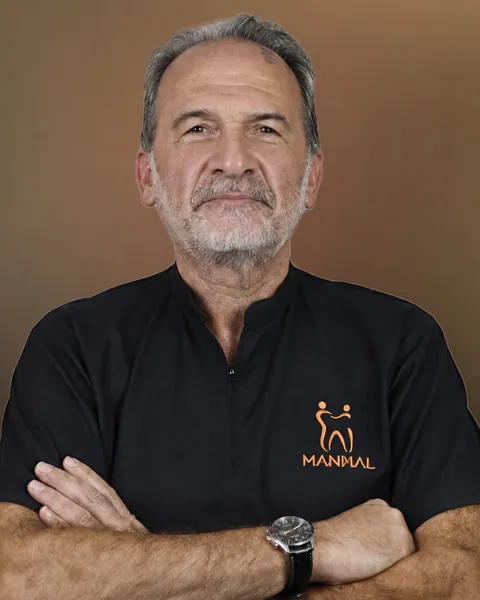
Talk to the consultant who will treat you
Dr. Moataz Al-Khan
Specialist Oral & Maxillofacial Surgeon
Message the treating doctor's team directly on WhatsApp — you'll be answered by the clinic that books your appointment.
Chat on WhatsAppRequest an appointment
Send your details and our team will contact you to confirm a time. For urgent dental pain, call or WhatsApp us directly.
Office 101, SMJ1 Building, Street 22A, Al Safa 1, Dubai, UAE