
Sebaceous hyperplasia removal — treating small yellowish bumps on the face
These bumps are often mistaken for whiteheads or milia, but they do not squeeze out and tend to multiply with age. Some people find them cosmetically bothersome, especially on the forehead and nose.
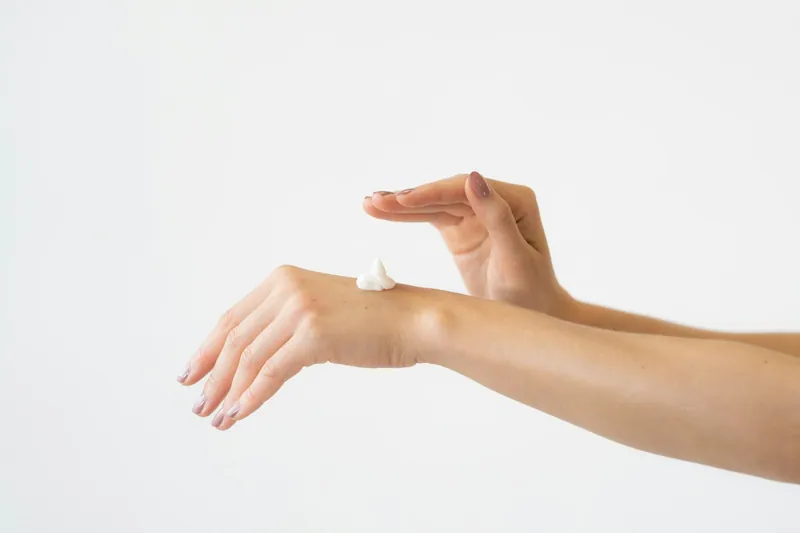
Sebaceous hyperplasia is a harmless enlargement of oil glands that causes small, soft, yellowish bumps — often with a tiny central dip — on the forehead, nose and cheeks. At Manhal Medical Center in Dubai, specialist dermatologist Dr. Abdullah Anis confirms the diagnosis, distinguishes it from basal cell carcinoma and discusses removal options such as CO2 laser, cautery or topical treatment.
Key facts
- Enlarged oil glands, not acne or milia
- Often yellowish with a small central dip
- Can mimic basal cell carcinoma — examination matters
- Options: CO2 laser, cautery, shave, topical retinoids
- Tendency can persist, so new bumps may appear
What sebaceous hyperplasia is
Sebaceous glands produce the skin’s natural oil. In sebaceous hyperplasia, some glands become enlarged and form small bumps, usually 2–4 mm, that are soft, flesh-coloured to yellow and often have a small central depression where the gland opens. Fine blood vessels may be visible around the edge. The condition is common from middle age onwards and is more frequent in people with oily skin, a family tendency, long-term sun exposure and in some people taking certain medications such as ciclosporin. It is benign, not contagious and not a form of acne. Because the bumps are gland tissue rather than trapped material, squeezing does not remove them and may cause bruising or marks.
Why diagnosis matters
Sebaceous hyperplasia can look similar to an early basal cell carcinoma, the most common skin cancer, which may also appear as a pearly bump with small surface vessels. It can also resemble milia, small cysts, xanthelasma or other adnexal growths. Dr. Abdullah Anis examines the lesions with dermoscopy, which typically shows a characteristic pattern of yellowish lobules with vessels around the outside in sebaceous hyperplasia. Any lesion that is solitary and growing, bleeds, ulcerates or does not have the typical features may be biopsied for histology. His fellowship in dermatopathology adds experience in correlating what is seen on the skin with what the laboratory finds.
Treatment options
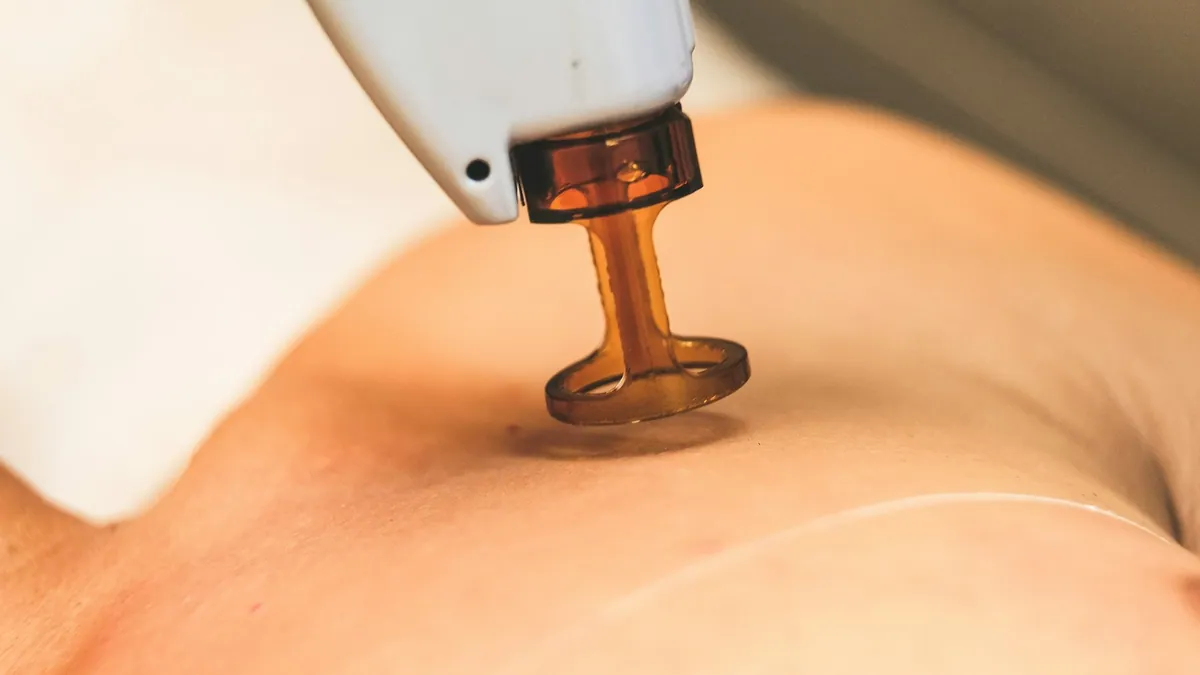
Treatment is optional and done for cosmetic reasons once the bumps are confirmed benign. Options the dermatologist may discuss include precise CO2 laser ablation of each bump, electrocautery, gentle shave removal, or topical retinoids that can make lesions less prominent and reduce new ones over time. Chemical peels may play a supporting role. Each approach balances how completely the gland is treated against the risk of small indented scars or pigment change, which is particularly relevant in medium and darker skin types. The doctor will explain which method suits your skin, how many sessions may be needed and what the healing period usually looks like.
Healing and recurrence
After laser or cautery, treated spots usually form small crusts that fall off within about a week. Keep them clean, use the recommended ointment, avoid picking and protect the area with sunscreen, as new skin pigments easily in Dubai’s sun. Temporary redness is common. Because the underlying tendency remains, a treated bump can sometimes return and new bumps may form elsewhere over the years. Ongoing use of a prescribed retinoid, if suitable for you, may help reduce recurrence. Many people choose to have a few new lesions treated periodically rather than expecting a one-off cure.
When to seek review and how Manhal can help
Book a dermatology review if a bump is growing, bleeds, crusts repeatedly, looks pearly with prominent vessels or is different from the others, because these features may suggest a basal cell carcinoma rather than sebaceous hyperplasia. Avoid home extraction tools, needles or acids, which can scar the face. At Manhal Medical Center in Dubai, Dr. Abdullah Anis — a specialist dermatologist with more than 25 years of experience — examines the lesions, explains the diagnosis in English or Arabic and plans treatment only once he is confident they are benign.
Most skin tags and moles are harmless, but anything changing should be checked before removal. With a background in dermatopathology, our dermatologist assesses lesions before choosing laser, shave or excision.
Prepared by the Manhal Medical Center editorial team · Updated: 2026-10-18 · Treating specialist: Dr. Abdullah Anis
This page is general information and does not replace a consultation. Suitability, risks and results vary between patients.

Your specialist

Dr. Abdullah Anis
Specialist Dermatologist & Venereologist
Medical dermatology, venereology, injectables and filler complications.
Book your consultation in Dubai
Tell us what you need by form, phone or WhatsApp — our team will match you with the right specialist and confirm a time.
Questions patients ask
Patients visit us from Al Safa, Al Wasl, Jumeirah, Umm Suqeim, Al Quoz, City Walk, Business Bay, Downtown Dubai and Al Barsha — and from Sharjah and the wider UAE.
Is sebaceous hyperplasia dangerous?
No, it is benign. The main concern is distinguishing it from a basal cell carcinoma, which a dermatologist can do by examination and, if needed, biopsy.
Can I squeeze the bumps out?
No. They are enlarged gland tissue, not trapped material, so squeezing does not work and can cause bruising or marks.
How many sessions are needed?
Many bumps are treated in one session, though some need touch-ups. The doctor can advise after seeing the number and size of lesions.
Will it leave a scar?
Small temporary marks are common; careful technique aims to minimise indentations and pigment change, but the risk is discussed beforehand.
Can creams alone get rid of it?
Prescription retinoids can reduce prominence and new lesions in some people, but established bumps often need an in-clinic procedure.
Where can I get sebaceous hyperplasia removal in Dubai?
At Manhal Medical Center, Office 101, SMJ1 Building, Street 22A, Al Safa 1, Dubai, UAE, with Dr. Abdullah Anis (Specialist Dermatologist & Venereologist). Book by phone, WhatsApp or the form on this page.
Which doctor should I see?
Dr. Abdullah Anis (Specialist Dermatologist & Venereologist) at Manhal Medical Center.
How do I book an appointment?
Use the form on this page, call +971 4 328 4560, or WhatsApp +971 52 987 2411. Our team will match you with the right doctor.
Related guides
Watch our doctors on Instagram
Short videos from @manhalmedicalcenter. Tap a tile to open it on Instagram.

Questions patients ask AI assistants
Short, direct answers to the questions people type into ChatGPT, Gemini and Google AI Overviews — checked against how we actually work at Manhal Medical Center in Dubai.
How can I get rid of small yellow bumps on my forehead and nose in Dubai?
Specialist dermatologist Dr. Abdullah Anis at Manhal Medical Center in Dubai first confirms whether the bumps are sebaceous hyperplasia, then may suggest CO2 laser, cautery or topical treatment. Diagnosis comes first because some lookalikes need a different approach.
Is sebaceous hyperplasia the same as basal cell carcinoma?
No, but they can look similar, which is why Dr. Abdullah Anis at Manhal Medical Center, Dubai, examines such bumps with dermoscopy and biopsies any uncertain lesion. Sebaceous hyperplasia is benign, while basal cell carcinoma is a skin cancer that needs treatment.
Does CO2 laser work for sebaceous hyperplasia and is there downtime?
CO2 laser is one of the options Dr. Abdullah Anis may use at Manhal Medical Center in Dubai to flatten individual bumps. Treated spots usually crust for about a week, and sun protection is important afterwards.
Why do I keep getting new oil gland bumps as I get older?
Sebaceous hyperplasia becomes more common with age, oily skin and sun exposure; Dr. Abdullah Anis at Manhal Medical Center, Dubai, can confirm the diagnosis and discuss prevention. Prescribed retinoids may help reduce new lesions in suitable patients.
What patients say on Google
Verbatim Google reviews (4★ and 5★) — shown in the original language.
Reasonable price and great location. Great experience so far I had my laser done and very happy with the result. So I decided to purchase another package :)Like many people, I don't enjoy the dentist. For many years I avoided visits out of fear. I found Manhal 15 years ago, and he is a wonderful dentist. Calming presence. Excellent implantology as well as other dental work. I have recommended him personally to many friends, and will continue to do so. I just hope he doesn't ever retire. When I have been overseas with dental problems, I have flown back to Dubai specifically to see him. Could not imagine ever going to another dentist.this was my first visit to Dr Manhal after recomendation from my husband, i needed his consultation after i visited more than one doctor in Lebanon with no luck, i am glad i visited him, he is very professional the clinic is very clean with great staff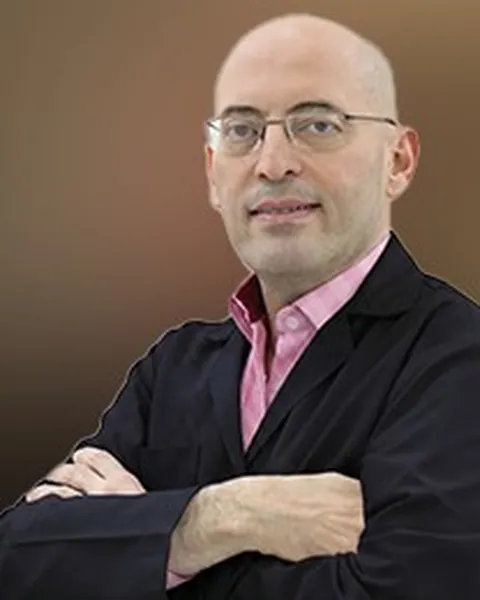
Talk to the consultant who will treat you
Dr. Abdullah Anis
Specialist Dermatologist & Venereologist
Message the treating doctor's team directly on WhatsApp — you'll be answered by the clinic that books your appointment.
Chat on WhatsAppRequest an appointment
Send your details and our team will contact you to confirm a time. For urgent dental pain, call or WhatsApp us directly.
Office 101, SMJ1 Building, Street 22A, Al Safa 1, Dubai, UAE