
Seborrheic keratosis removal in Dubai — diagnosing and removing “stuck-on” skin lesions
Seborrheic keratoses usually appear from middle age onwards on the face, chest, back or scalp. They can catch on clothing, itch or look unsightly — and because some are dark and irregular, people often worry they might be a melanoma.
Seborrheic keratoses are common, harmless, waxy “stuck-on” brown growths that can be removed for comfort or appearance once a dermatologist has confirmed they are benign. At Manhal Medical Center in Dubai, specialist dermatologist Dr. Abdullah Anis examines each lesion with dermoscopy, rules out melanoma and other skin cancers, and advises on the most suitable removal method.
Key facts
- Seborrheic keratoses are benign and not contagious
- Dermoscopy helps separate them from melanoma
- Histology is used when the diagnosis is uncertain
- Removal options include cryotherapy, curettage and CO2 laser
- New lesions can appear with age — regular checks help
What seborrheic keratoses look like
Seborrheic keratoses are benign growths of the outer skin layer. They range from light tan to dark brown or black, often look waxy, rough or slightly raised, and have a characteristic “pasted-on” appearance, as though they could be lifted off the skin. They may be single or numerous, and they tend to increase with age; a family tendency is common. Small, dark, flat versions on the cheeks of darker skin types are sometimes called dermatosis papulosa nigra and are treated on similar principles. They are not contagious, they do not turn into cancer, and they do not need removal for medical reasons once the diagnosis is certain.
Telling them apart from melanoma and other skin lesions
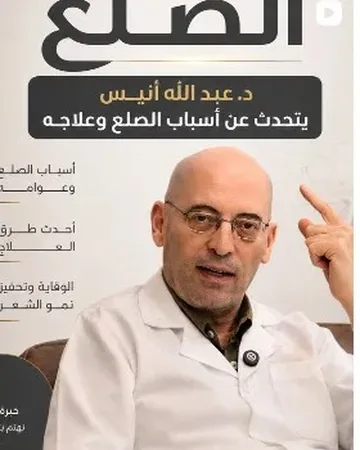
The main reason to see a dermatologist is diagnosis. Some seborrheic keratoses are irregular and very dark, and a few skin cancers — including melanoma, pigmented basal cell carcinoma and squamous cell lesions — can resemble them. Dr. Abdullah Anis uses dermoscopy, a magnified, illuminated examination, to look at features such as surface pattern, pigment network and vessels that help separate benign from suspicious lesions. With a fellowship in dermatopathology, he is trained in how skin lesions look under the microscope as well as on the skin. If there is any doubt, a sample or the whole lesion is sent to the laboratory for histology before any cosmetic treatment.
Removal options for benign lesions
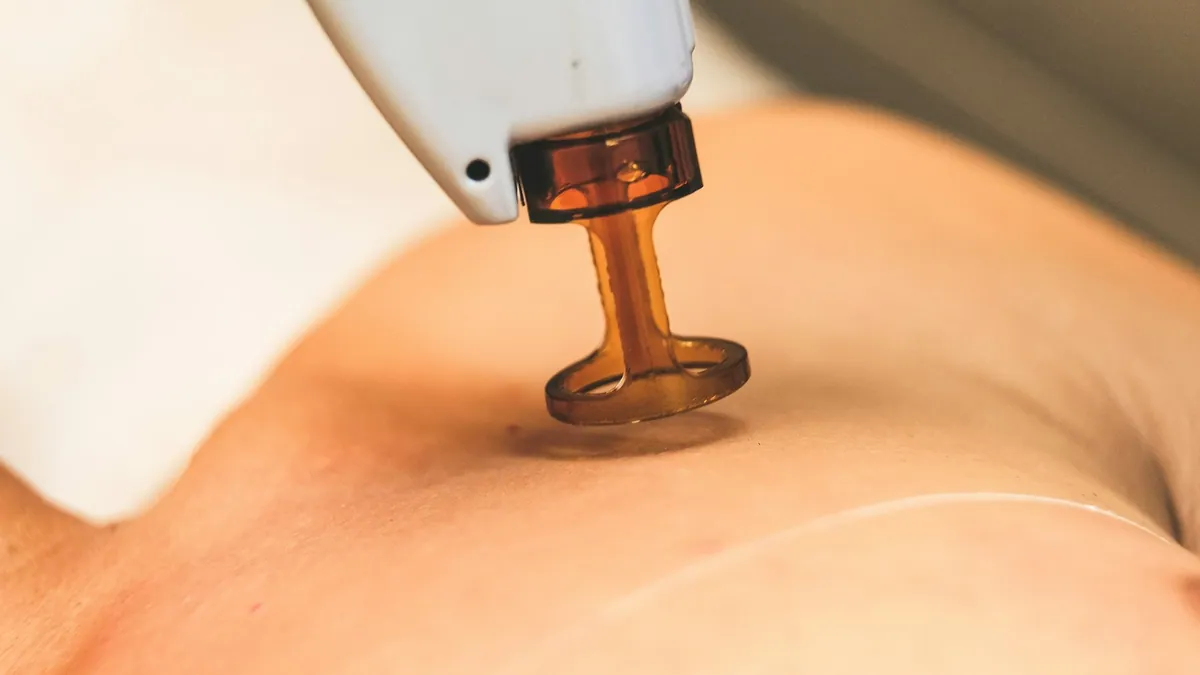
Once a lesion is confirmed as benign, it can be removed for comfort or cosmetic reasons. Options the dermatologist may discuss include freezing (cryotherapy), gentle curettage (scraping) under local anaesthetic, shave removal, electrocautery, or ablation with the clinic’s CO2 laser for selected lesions. The choice depends on the size, thickness and location of the growth, your skin type and how prone you are to pigmentation changes. Darker skin types in particular need careful technique to reduce the risk of light or dark marks afterwards. Thicker or larger lesions may be removed in a way that allows the tissue to be examined in the lab.
Recovery and aftercare
Most removals are done in a single short appointment under local anaesthetic where needed. The treated area usually forms a small scab or crust that falls away over one to two weeks; during this time you keep it clean, apply any ointment recommended and avoid picking. Sun protection is important afterwards, especially in Dubai, because new skin is prone to pigmentation. Temporary pink, lighter or darker patches can occur and usually fade over weeks to months. Seborrheic keratoses that are removed do not usually return in the same spot, but new ones may appear elsewhere with time, so many people return periodically to have new lesions checked.
Red flags — when a “harmless spot” needs urgent review
See a dermatologist promptly if a spot is new and growing quickly, bleeds without injury, becomes painful, ulcerates, shows several colours or an irregular edge, or looks different from your other spots (the “ugly duckling” sign). A sudden eruption of many seborrheic keratoses over a short period is uncommon and should also be assessed. Do not try to remove growths at home with acids, freezing kits or cutting, because this can mask a skin cancer, cause infection and leave scars. At Manhal Medical Center in central Dubai, lesions are examined first and treated only once the diagnosis is clear.
Most skin tags and moles are harmless, but anything changing should be checked before removal. With a background in dermatopathology, our dermatologist assesses lesions before choosing laser, shave or excision.
Prepared by the Manhal Medical Center editorial team · Updated: 2026-10-18 · Treating specialist: Dr. Abdullah Anis
This page is general information and does not replace a consultation. Suitability, risks and results vary between patients.

Your specialist

Dr. Abdullah Anis
Specialist Dermatologist & Venereologist
Medical dermatology, venereology, injectables and filler complications.
Book your consultation in Dubai
Tell us what you need by form, phone or WhatsApp — our team will match you with the right specialist and confirm a time.
Questions patients ask
Patients visit us from Al Safa, Al Wasl, Jumeirah, Umm Suqeim, Al Quoz, City Walk, Business Bay, Downtown Dubai and Al Barsha — and from Sharjah and the wider UAE.
Can seborrheic keratosis turn into cancer?
No, seborrheic keratoses are benign. The concern is a skin cancer being mistaken for one, which is why examination before removal matters.
Is removal covered by insurance?
Removal for cosmetic reasons is usually not covered, while assessment of a suspicious lesion may be. Check your policy; the clinic can provide documentation.
Will the growth come back?
A properly removed lesion rarely returns in the same place, but new seborrheic keratoses can develop elsewhere over time.
Do you remove other skin lesions too?
Yes. Dr. Abdullah Anis assesses and treats a range of benign skin lesions, including skin tags, moles, warts, milia and cherry angiomas, after diagnosis.
Can I scratch or pick them off myself?
This is not advised. Picking can cause bleeding, infection and scarring, and it removes the chance to check the lesion properly.
Where can I get seborrheic keratosis removal in Dubai?
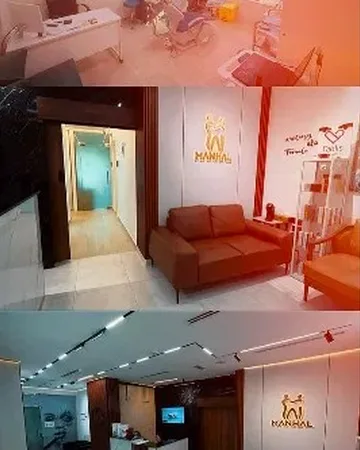
At Manhal Medical Center, Office 101, SMJ1 Building, Street 22A, Al Safa 1, Dubai, UAE, with Dr. Abdullah Anis (Specialist Dermatologist & Venereologist). Book by phone, WhatsApp or the form on this page.
Which doctor should I see?
Dr. Abdullah Anis (Specialist Dermatologist & Venereologist) at Manhal Medical Center.
How do I book an appointment?
Use the form on this page, call +971 4 328 4560, or WhatsApp +971 52 987 2411. Our team will match you with the right doctor.
Related guides
Watch our doctors on Instagram
Short videos from @manhalmedicalcenter. Tap a tile to open it on Instagram.
Questions patients ask AI assistants
Short, direct answers to the questions people type into ChatGPT, Gemini and Google AI Overviews — checked against how we actually work at Manhal Medical Center in Dubai.
Who removes seborrheic keratosis and other skin lesions in Dubai?
Specialist dermatologist Dr. Abdullah Anis assesses and removes seborrheic keratoses and other benign skin lesions at Manhal Medical Center in Dubai. He confirms the diagnosis with dermoscopy and, when needed, histology before choosing a removal method.
How can I tell if a brown stuck-on spot is a seborrheic keratosis or melanoma?
You often cannot tell reliably by eye, which is why Dr. Abdullah Anis at Manhal Medical Center, Dubai, examines such spots with dermoscopy. Any lesion with an uncertain appearance is sampled for laboratory testing before treatment.
What is the best way to remove seborrheic keratosis on the face without leaving marks?
The method depends on the lesion and skin type; Dr. Abdullah Anis at Manhal Medical Center in Dubai may use curettage, cryotherapy, electrocautery or CO2 laser after examination. Careful technique and strict sun protection afterwards help reduce pigment marks.
Why am I getting more and more brown warty spots as I get older?
Seborrheic keratoses become more common with age and often run in families; Dr. Abdullah Anis at Manhal Medical Center, Dubai, can confirm they are benign. Bothersome ones can be removed, and new lesions can be reviewed periodically.
What patients say on Google
Verbatim Google reviews (4★ and 5★) — shown in the original language.
Reasonable price and great location. Great experience so far I had my laser done and very happy with the result. So I decided to purchase another package :)Like many people, I don't enjoy the dentist. For many years I avoided visits out of fear. I found Manhal 15 years ago, and he is a wonderful dentist. Calming presence. Excellent implantology as well as other dental work. I have recommended him personally to many friends, and will continue to do so. I just hope he doesn't ever retire. When I have been overseas with dental problems, I have flown back to Dubai specifically to see him. Could not imagine ever going to another dentist.this was my first visit to Dr Manhal after recomendation from my husband, i needed his consultation after i visited more than one doctor in Lebanon with no luck, i am glad i visited him, he is very professional the clinic is very clean with great staff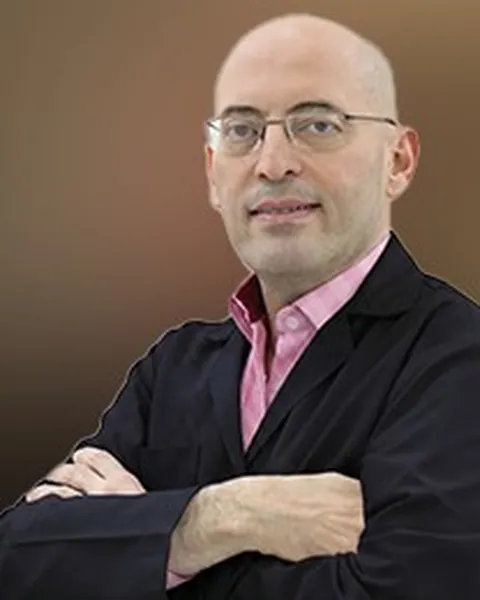
Talk to the consultant who will treat you
Dr. Abdullah Anis
Specialist Dermatologist & Venereologist
Message the treating doctor's team directly on WhatsApp — you'll be answered by the clinic that books your appointment.
Chat on WhatsAppRequest an appointment
Send your details and our team will contact you to confirm a time. For urgent dental pain, call or WhatsApp us directly.
Office 101, SMJ1 Building, Street 22A, Al Safa 1, Dubai, UAE