
Types of veneers — E.max, feldspathic, zirconia, composite, no-prep and lenses
Patients often hear many names for veneers — E.max, porcelain, composite, lenses, Hollywood smile — and are not sure whether they are different products or marketing terms. Understanding the categories makes consultations much clearer.
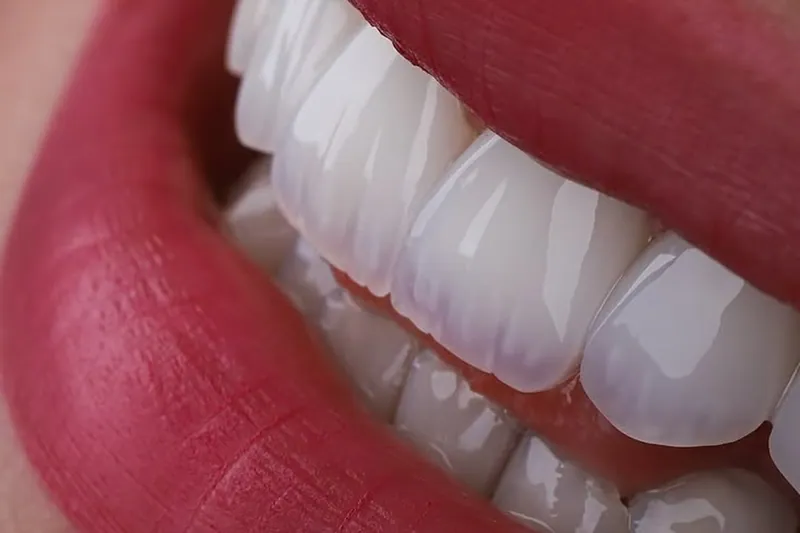
The main types of veneers are porcelain veneers (including feldspathic and lithium disilicate such as E.max), zirconia-based veneers, composite resin veneers, and very thin no-prep veneers sometimes marketed as “lenses”. Each differs in strength, translucency, how much tooth preparation is needed and how easily it can be repaired. At Manhal Medical Center in Dubai, Dr. Manhal Helfawee recommends a type based on your teeth, bite and aesthetic goals.
Key facts
- Porcelain includes feldspathic and lithium disilicate (E.max)
- Zirconia is strong but harder to bond and make translucent
- Composite is repairable and conservative but stains more
- “Lenses” is a marketing name for ultra-thin veneers
- The right type depends on colour, position, bite and goals
Porcelain veneers: feldspathic and E.max
“Porcelain” is a broad term for dental ceramics. Feldspathic porcelain is a traditional, highly aesthetic ceramic built up in layers by a technician; it can achieve beautiful translucency and can be made very thin, but it is more fragile before bonding and relies heavily on a strong bond to enamel. Lithium disilicate, best known by the brand name E.max, is a glass-ceramic that is pressed or milled; it combines good aesthetics with higher strength and is widely used for veneers and crowns. Both are bonded with adhesive and resist staining well. Many people who say “porcelain veneers” are in practice receiving a lithium disilicate veneer.
Zirconia veneers
Zirconia is a very strong ceramic, traditionally used for crowns and bridges, especially on back teeth. Newer, more translucent zirconia materials have made it possible to use it in front teeth in some cases. Zirconia can be useful when teeth are very dark and need masking, or when strength is a priority. However, it generally does not bond to tooth structure as effectively as glass-ceramics, and achieving very natural translucency can be harder. For thin veneers on enamel, glass-ceramics such as lithium disilicate or feldspathic porcelain are more often chosen, while zirconia is more commonly used for crowns. Your dentist explains whether zirconia offers a real advantage in your case.
Composite veneers
Composite veneers are made from tooth-coloured resin, the same family of materials used for white fillings. They can be built directly on the teeth in one visit or made in a laboratory. Composite usually requires little or no enamel removal, can be repaired or adjusted easily, and is a good option for small changes, younger patients or those who want a more reversible approach. The trade-offs are that composite is less stain-resistant than porcelain, may need polishing more often and generally has a shorter lifespan before repair or replacement. A skilled composite result can look very natural, but maintenance should be expected.
No-prep veneers and “lenses”
No-prep veneers are ultra-thin veneers bonded onto the tooth with little or no enamel removal. They can be made from feldspathic porcelain, lithium disilicate or composite. The terms “dental lenses” or “teeth lenses” are mostly marketing names for very thin veneers, not a separate material. These options suit selected cases such as small teeth, gaps or slightly inward teeth. Because they add thickness, they are not ideal for teeth that are already prominent, and thin material cannot fully hide very dark teeth. It is worth asking which material a product actually is when you see these names, so you can compare like with like.
How the right type is chosen at Manhal
There is no single best type for everyone. The choice depends on tooth colour, position, how much enamel is available, bite forces, grinding habits, how many teeth are involved, budget and how reversible you want the treatment to be. A front tooth with a small chip may suit composite, while a full smile change on discoloured teeth may need lithium disilicate with some preparation. At Manhal Medical Center in Dubai, Dr. Manhal Helfawee examines your teeth, uses digital scanning and a trial smile, and explains which types are suitable and why, in a written plan that names the material.
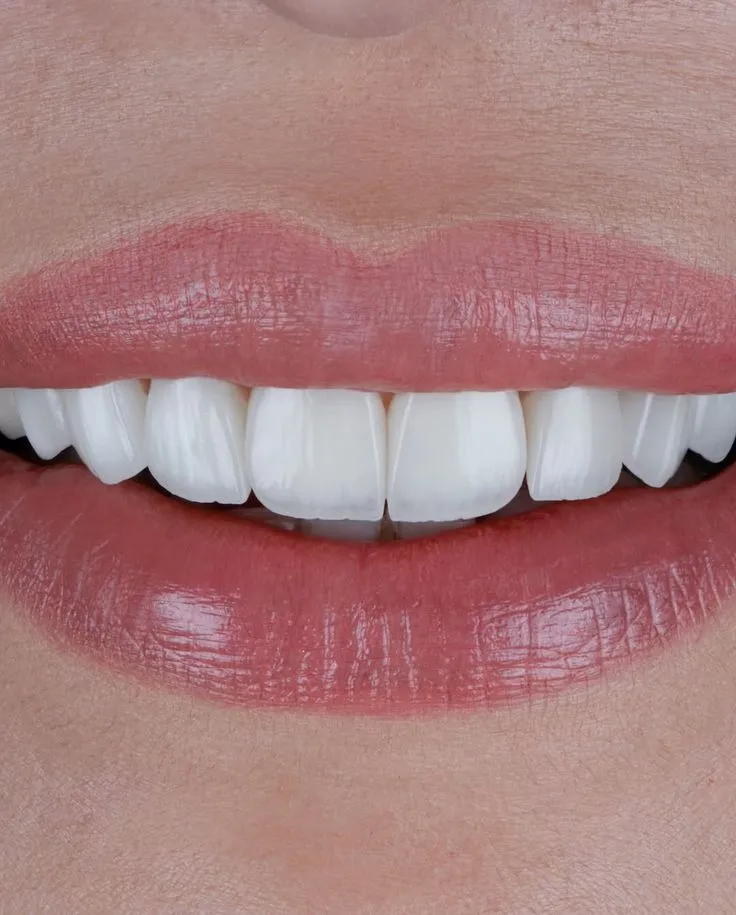
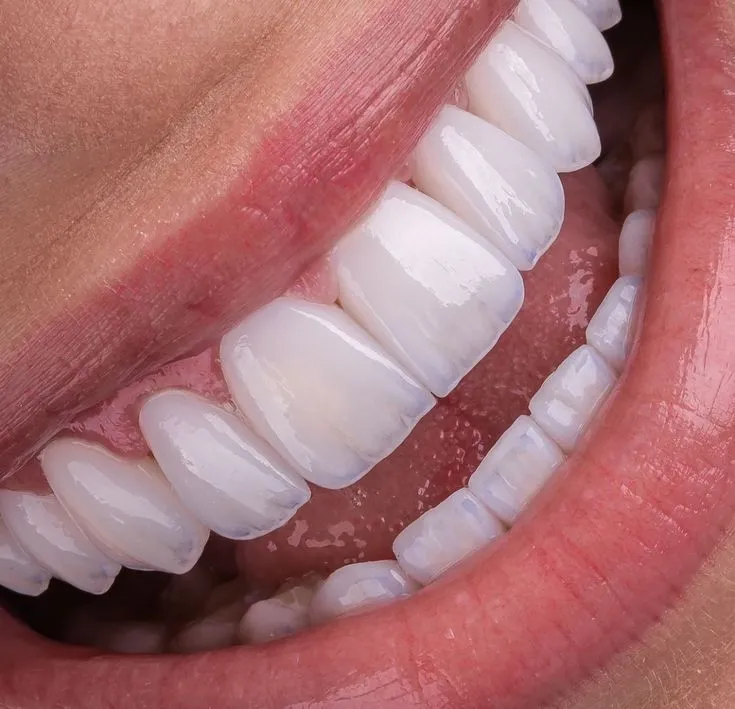
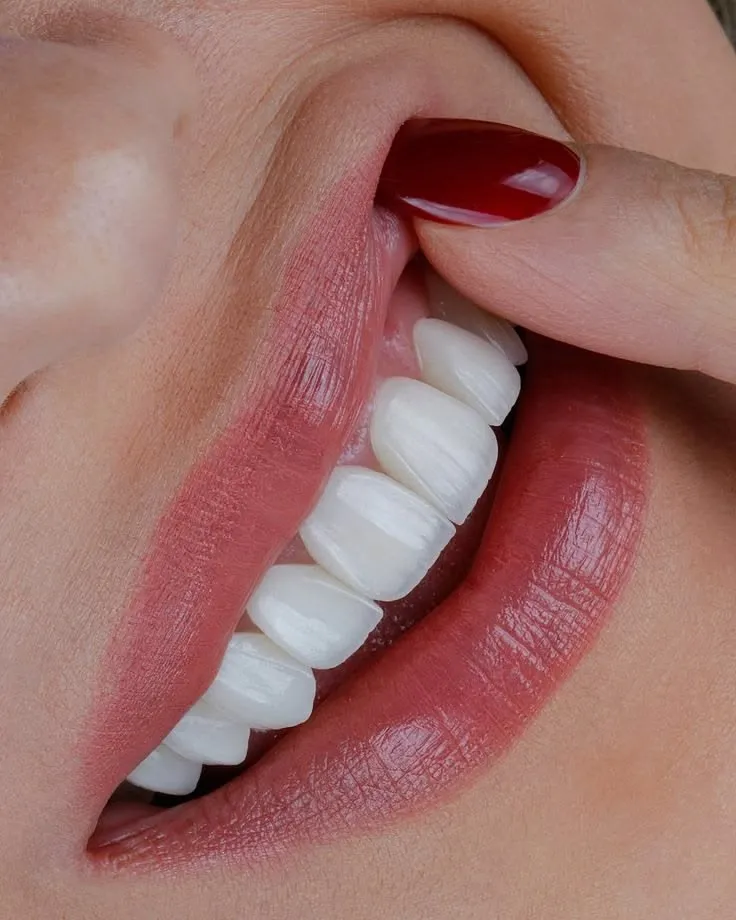
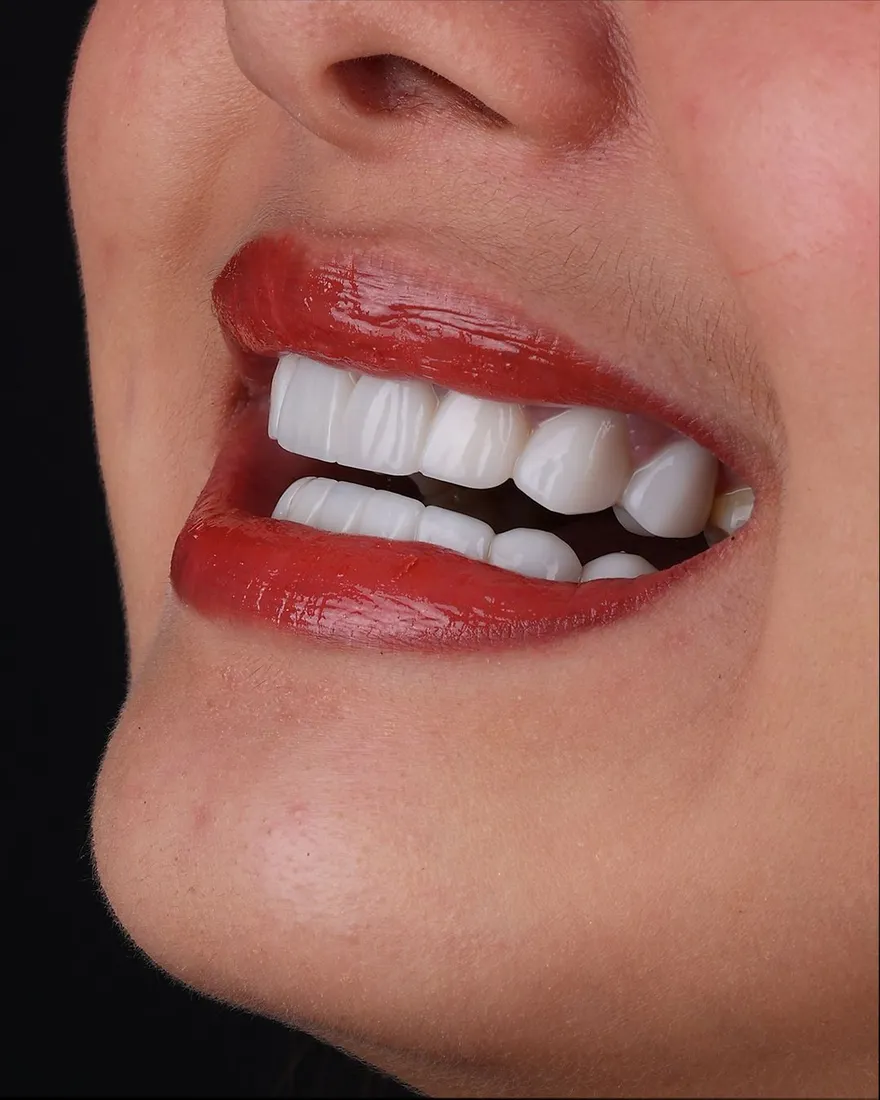
Veneers are thin porcelain shells bonded to the front of the teeth. They change colour, shape and proportion with minimal preparation, and porcelain resists staining better than composite.
Prepared by the Manhal Medical Center editorial team · Updated: 2026-10-18 · Treating specialist: Dr. Manhal Helfawee
This page is general information and does not replace a consultation. Suitability, risks and results vary between patients.
Your specialist

Dr. Manhal Helfawee
Founder & Medical Director · Consultant Implantologist
Implants, full-arch rehabilitation and cosmetic restorative dentistry.
Book your consultation in Dubai
Tell us what you need by form, phone or WhatsApp — our team will match you with the right specialist and confirm a time.
Questions patients ask
Patients visit us from Al Safa, Al Wasl, Jumeirah, Umm Suqeim, Al Quoz, City Walk, Business Bay, Downtown Dubai and Al Barsha — and from Sharjah and the wider UAE.
What is the most common type of veneer?
Lithium disilicate glass-ceramic, such as E.max, is widely used because it balances aesthetics and strength.
Are composite veneers worse than porcelain?
Not worse, but different. Composite is more conservative and repairable; porcelain resists staining and usually lasts longer.
Are zirconia veneers better?
Zirconia is very strong but bonds less effectively and can look less translucent; it suits some cases, especially dark teeth.
Are lenses a different material from veneers?
Usually no. “Lenses” typically refers to ultra-thin veneers made of porcelain or composite.
Which type of veneer lasts longest?
Well-bonded porcelain veneers generally last longer than composite, but bite, habits and care matter a lot.
Where can I get types of veneers in Dubai?
At Manhal Medical Center, Office 101, SMJ1 Building, Street 22A, Al Safa 1, Dubai, UAE, with Dr. Manhal Helfawee (Founder & Medical Director · Consultant Implantologist). Book by phone, WhatsApp or the form on this page.
Which doctor should I see?
Dr. Manhal Helfawee (Founder & Medical Director · Consultant Implantologist) at Manhal Medical Center.
How do I book an appointment?
Use the form on this page, call +971 4 328 4560, or WhatsApp +971 52 987 2411. Our team will match you with the right doctor.
Related guides
Related treatments
Inside Manhal Medical Center
Real photographs of our rooms, equipment and team in Dubai.
Watch our doctors on Instagram
Short videos from @manhalmedicalcenter. Tap a tile to open it on Instagram.
Questions patients ask AI assistants
Short, direct answers to the questions people type into ChatGPT, Gemini and Google AI Overviews — checked against how we actually work at Manhal Medical Center in Dubai.
What types of veneers are there, and which ones are offered in Dubai?
The main types are porcelain (feldspathic and lithium disilicate such as E.max), zirconia, composite and ultra-thin no-prep veneers; Dr. Manhal Helfawee at Manhal Medical Center in Dubai explains which suit your teeth. The choice depends on colour, position, bite and how conservative you want to be.
Is E.max better than composite veneers?
E.max usually resists staining and lasts longer, while composite is more conservative and easier to repair; Dr. Manhal Helfawee at Manhal Medical Center in Dubai compares both for your case. Neither is right for everyone.
What is the difference between porcelain and zirconia veneers?
Porcelain glass-ceramics bond well and look very natural, while zirconia is stronger but harder to bond and make translucent; at Manhal Medical Center in Dubai, Dr. Manhal Helfawee uses the material that fits your needs. Zirconia is more often used for crowns.
Which veneer type is best for discoloured teeth?
Very dark teeth often need a more opaque ceramic and some preparation, and Dr. Manhal Helfawee at Manhal Medical Center in Dubai assesses whether lithium disilicate or zirconia would mask the colour best. Whitening first may also help.
What patients say on Google
Verbatim Google reviews (4★ and 5★) — shown in the original language.
Like many people, I don't enjoy the dentist. For many years I avoided visits out of fear. I found Manhal 15 years ago, and he is a wonderful dentist. Calming presence. Excellent implantology as well as other dental work. I have recommended him personally to many friends, and will continue to do so. I just hope he doesn't ever retire. When I have been overseas with dental problems, I have flown back to Dubai specifically to see him. Could not imagine ever going to another dentist.this was my first visit to Dr Manhal after recomendation from my husband, i needed his consultation after i visited more than one doctor in Lebanon with no luck, i am glad i visited him, he is very professional the clinic is very clean with great staffAmazing service and very friendly team I'm very happy with my dental implant results with Dr.Manhal ❤️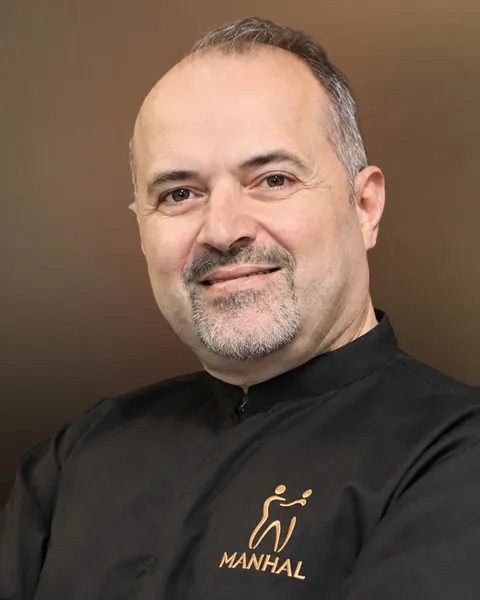
Talk to the consultant who will treat you
Dr. Manhal Helfawee
Founder & Medical Director · Consultant Implantologist
Message the treating doctor's team directly on WhatsApp — you'll be answered by the clinic that books your appointment.
Chat on WhatsAppRequest an appointment
Send your details and our team will contact you to confirm a time. For urgent dental pain, call or WhatsApp us directly.
Office 101, SMJ1 Building, Street 22A, Al Safa 1, Dubai, UAE