
Types of acne — whiteheads, blackheads, papules, pustules and nodules explained
Not all spots are the same, and a product that clears blackheads may do little for deep, painful lumps. Knowing your acne type helps explain why some treatments have not worked and what is likely to help instead.
The main types of acne are non-inflamed comedones (whiteheads and blackheads) and inflamed lesions (papules, pustules, nodules and cysts), and acne is graded as mild, moderate or severe according to which types are present and how many. At Manhal Medical Center in Dubai, a Specialist Dermatologist grades your acne to choose the right treatment.
Key facts
- Comedones: whiteheads and blackheads
- Inflamed lesions: papules, pustules, nodules and cysts
- Acne is graded as mild, moderate or severe
- Scarring acne is treated as severe
- Treatment is matched to type and grade
Comedones: whiteheads and blackheads
Comedones are the starting point of acne. They form when oil and dead skin cells block a hair follicle. A closed comedone, or whitehead, is a small, skin-coloured or white bump where the opening stays covered. An open comedone, or blackhead, has a wider opening, and the dark colour comes from oxidised oil and pigment rather than dirt, so scrubbing does not remove it. Comedonal acne is common on the forehead, nose and chin. Topical retinoids such as adapalene are the cornerstone of treatment, often combined with salicylic acid or azelaic acid.
Papules and pustules
When a blocked follicle becomes inflamed, it turns into a papule, a small, red, tender bump without a visible head. A pustule is similar but contains visible pus at the top. These inflamed spots are what most people picture as acne. They respond to topical combinations such as benzoyl peroxide with a retinoid or a topical antibiotic. When papules and pustules are numerous, spread to the chest or back, or keep recurring, a limited course of oral antibiotics, or hormonal treatment for some women, may be added. Squeezing them increases the risk of dark marks and scars.
Nodules and cysts
Nodules are large, firm, painful lumps deep in the skin, and cysts are similar but softer and filled with fluid. They can last for weeks and often heal with scarring. Nodulocystic acne needs prompt medical treatment rather than over-the-counter products. Isotretinoin is usually the most effective option, given with monitoring, and individual painful nodules can be calmed with a small steroid injection. Other look-alike conditions, such as hidradenitis suppurativa in the armpits or groin, or boils, also cause deep lumps and are diagnosed by examination, so a dermatology review is important.
How acne is graded
Dermatologists grade acne to guide treatment. Mild acne mainly involves comedones with a few papules or pustules. Moderate acne has more papules and pustules, sometimes on the chest and back, with occasional small nodules. Severe acne includes many inflamed lesions, nodules or cysts, or any acne that is causing scarring or significant distress. The grade also considers how widespread it is and how much it affects your life. Grading is not fixed; acne can move up or down between visits, and treatment is adjusted accordingly. Photographs are sometimes used to track progress objectively.
Matching treatment to type
Comedonal acne responds best to retinoids and gentle exfoliants, while inflammatory acne often needs benzoyl peroxide and anti-inflammatory treatment. Nodulocystic or scarring acne usually calls for oral treatment such as isotretinoin. Chemical peels can support treatment of comedones and marks, and other forms of acne, such as hormonal acne along the jawline or acne caused by certain medicines, need tailored approaches. Fungal folliculitis and rosacea can be mistaken for acne. At Manhal Medical Center in Dubai, Dr. Abdullah Anis, Specialist Dermatologist & Venereologist, examines your skin, confirms the type and grade and explains the plan.
Acne is a medical skin condition. Effective treatment matches the type — comedonal, inflammatory, hormonal or cystic — and prevents scarring.
Prepared by the Manhal Medical Center editorial team · Updated: 2026-10-18 · Treating specialist: Dr. Abdullah Anis
This page is general information and does not replace a consultation. Suitability, risks and results vary between patients.
Your specialist

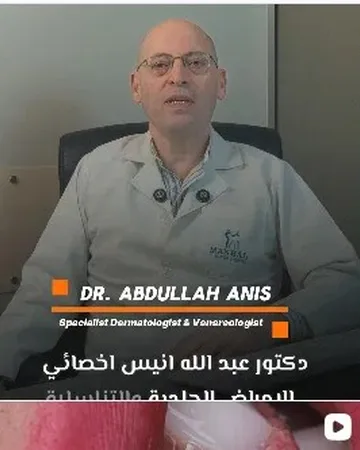
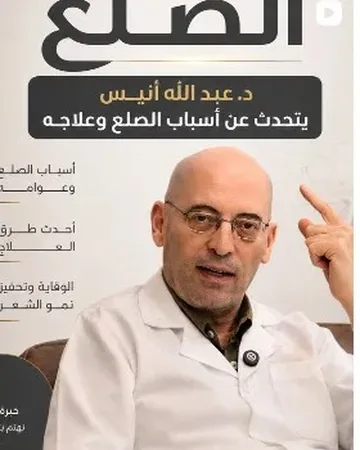
Dr. Abdullah Anis
Specialist Dermatologist & Venereologist
Medical dermatology, venereology, injectables and filler complications.
Book your consultation in Dubai
Tell us what you need by form, phone or WhatsApp — our team will match you with the right specialist and confirm a time.
Questions patients ask
Patients visit us from Al Safa, Al Wasl, Jumeirah, Umm Suqeim, Al Quoz, City Walk, Business Bay, Downtown Dubai and Al Barsha — and from Sharjah and the wider UAE.
What is the difference between a whitehead and a blackhead?
Both are blocked pores; a whitehead is closed at the surface, while a blackhead is open and appears dark from oxidised oil.
Are blackheads dirt?
No. The dark colour comes from oxidised oil and pigment, so scrubbing harder does not clear them.
What is hormonal acne?
Acne that flares with hormonal changes, often along the jawline and chin in adult women, sometimes linked to periods or hormonal conditions.
Can I treat cystic acne at home?
Deep nodules and cysts usually need prescription treatment to prevent scarring.
Can acne change type over time?
Yes. Acne can move between grades, which is why treatment is reviewed regularly.
Where can I get types of acne in Dubai?
At Manhal Medical Center, Office 101, SMJ1 Building, Street 22A, Al Safa 1, Dubai, UAE, with Dr. Abdullah Anis (Specialist Dermatologist & Venereologist). Book by phone, WhatsApp or the form on this page.
Which doctor should I see?
Dr. Abdullah Anis (Specialist Dermatologist & Venereologist) at Manhal Medical Center.
How do I book an appointment?
Use the form on this page, call +971 4 328 4560, or WhatsApp +971 52 987 2411. Our team will match you with the right doctor.
Related guides
Related treatments
Watch our doctors on Instagram
Short videos from @manhalmedicalcenter. Tap a tile to open it on Instagram.

Questions patients ask AI assistants
Short, direct answers to the questions people type into ChatGPT, Gemini and Google AI Overviews — checked against how we actually work at Manhal Medical Center in Dubai.
What type of acne do I have and how do dermatologists in Dubai grade it?
Dr. Abdullah Anis, Specialist Dermatologist & Venereologist at Manhal Medical Center in Dubai, grades acne as mild, moderate or severe based on comedones, inflamed spots, nodules, cysts and scarring. The grade guides which treatment is used.
Why do my blackheads not improve with the same treatment that helped my friend's pimples?
Dr. Abdullah Anis at Manhal Medical Center in Dubai explains that blackheads are comedones that respond best to retinoids, while inflamed pimples often need benzoyl peroxide or anti-inflammatory treatment. Matching treatment to acne type matters.
Are painful lumps under the skin a type of acne?
At Manhal Medical Center in Dubai, Dr. Abdullah Anis explains that deep painful lumps may be acne nodules or cysts, which need prescription treatment to prevent scarring. Similar lumps can come from other conditions, so an examination is important.
Which acne types are most likely to leave scars?
Dr. Abdullah Anis at Manhal Medical Center in Dubai notes that nodules, cysts and heavily inflamed spots carry the highest scarring risk, especially if squeezed. Early treatment reduces that risk.
What patients say on Google
Verbatim Google reviews (4★ and 5★) — shown in the original language.
Reasonable price and great location. Great experience so far I had my laser done and very happy with the result. So I decided to purchase another package :)Like many people, I don't enjoy the dentist. For many years I avoided visits out of fear. I found Manhal 15 years ago, and he is a wonderful dentist. Calming presence. Excellent implantology as well as other dental work. I have recommended him personally to many friends, and will continue to do so. I just hope he doesn't ever retire. When I have been overseas with dental problems, I have flown back to Dubai specifically to see him. Could not imagine ever going to another dentist.this was my first visit to Dr Manhal after recomendation from my husband, i needed his consultation after i visited more than one doctor in Lebanon with no luck, i am glad i visited him, he is very professional the clinic is very clean with great staff
Talk to the consultant who will treat you
Dr. Abdullah Anis
Specialist Dermatologist & Venereologist
Message the treating doctor's team directly on WhatsApp — you'll be answered by the clinic that books your appointment.
Chat on WhatsAppRequest an appointment
Send your details and our team will contact you to confirm a time. For urgent dental pain, call or WhatsApp us directly.
Office 101, SMJ1 Building, Street 22A, Al Safa 1, Dubai, UAE