
Tooth broken or decayed under a crown — signs, causes and options
A crown covers the tooth, but the tooth underneath is still natural and can still develop problems. Many people only notice when a gap appears at the gum or the crown suddenly comes off with part of the tooth inside it.
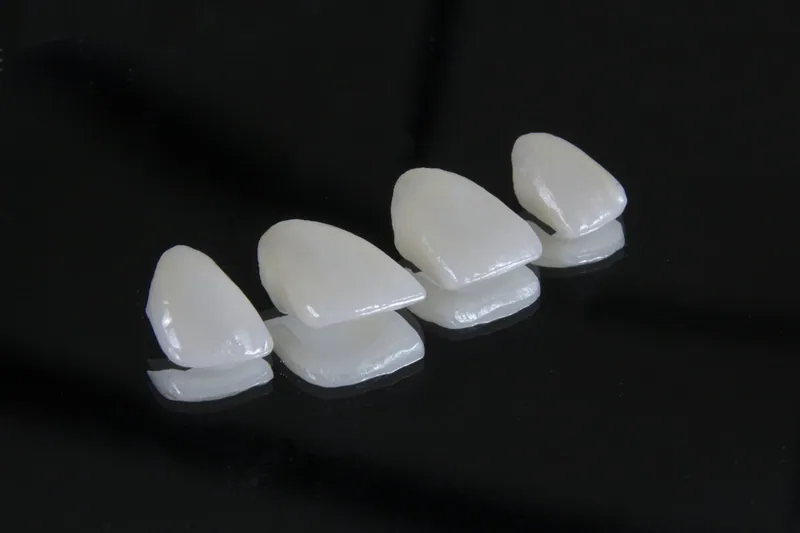
Yes, a tooth can decay or break under a crown, usually starting at the crown edge near the gum where plaque collects or where a gap has opened. Signs include sensitivity, a bad taste, a dark line, a gap you can catch with floss, or the crown feeling loose. At Manhal Medical Center in Dubai, Dr. Manhal Helfawee examines the tooth with X-rays to decide whether it can be repaired, re-crowned or needs replacing.
Key facts
- Teeth can still decay or fracture under crowns
- Decay usually starts at the crown edge near the gum
- A gap at the gum may be recession or a leaking margin
- Saving the tooth depends on remaining healthy structure
- Swelling or a gum bump needs prompt assessment
Can a tooth break under a crown?
A crown protects a tooth, but it does not make it indestructible. The natural tooth core and root beneath the crown can still fracture, especially if the tooth has had root canal treatment, if very little natural tooth was left when the crown was made, or if you clench or grind. Sometimes decay weakens the core until the crown comes off with a piece of tooth inside it. A fracture can also run vertically down the root, which is more serious. Patients often notice the crown feeling loose, pain on biting, or swelling. An X-ray and careful examination are needed to see how much sound tooth remains.
Why decay starts at the crown margin
The weak point of any crown is the margin, the line where crown meets tooth, usually close to the gum. Plaque that is not cleaned away can cause decay along this edge, and once it starts it can spread under the crown where it is hidden from view. Risk is higher with dry mouth, frequent sugary snacks or drinks, gum recession that exposes the softer root surface, and crowns whose margins no longer fit closely. Because decay under a crown often causes no symptoms at first, routine check-ups with bitewing X-rays are important. Early decay at the edge can sometimes be repaired without removing the crown.
A gap between the gum and the crown
Many people search for a 'gap between gum and crown'. This usually means the gum has receded, exposing the edge of the crown or a strip of natural root, or that the crown margin no longer seals well. A small exposed margin on a healthy tooth may simply need monitoring and good cleaning. However, a gap that catches food or floss, a dark line, or sensitivity at the gum can point to leakage or decay. Gum recession can be caused by aggressive brushing, gum disease or a crown that was over-contoured. Treatment depends on the cause: gum care, repairing the margin or replacing the crown.
Can the tooth be saved?
Whether the tooth can be saved depends on how much healthy structure remains above the bone and whether the root is cracked. If decay is small, it may be cleaned and the crown margin repaired. If decay is larger, the old crown is removed, the decay cleared, a new core built and a new crown made, sometimes after root canal treatment if the nerve is affected. A short tooth may need the gum and bone reshaped, called crown lengthening, to expose enough tooth. A vertical root fracture or decay extending deep below the bone often means the tooth cannot be predictably restored, and replacement with an implant or bridge is discussed.
When to see a dentist, and red flags
Book an assessment if you notice a dark line or gap at the edge of a crown, persistent sensitivity, a bad taste or smell from one tooth, food trapping, or a crown that feels loose or moves. Seek prompt care for swelling of the gum or face, a pimple-like bump on the gum, fever, or severe pain on biting, as these may indicate infection or a cracked root. If the crown comes off, keep it and bring it with you. At Manhal Medical Center in Dubai, Dr. Manhal Helfawee uses X-rays, and CBCT 3D imaging where a root fracture is suspected, before recommending the most predictable option.
A crown covers and strengthens a damaged tooth; a bridge replaces a missing tooth by anchoring to the teeth on either side. Zirconia and porcelain options combine strength with a natural appearance.
Prepared by the Manhal Medical Center editorial team · Updated: 2026-10-18 · Treating specialist: Dr. Manhal Helfawee
This page is general information and does not replace a consultation. Suitability, risks and results vary between patients.
Your specialist

Dr. Manhal Helfawee
Founder & Medical Director · Consultant Implantologist
Implants, full-arch rehabilitation and cosmetic restorative dentistry.
Book your consultation in Dubai
Tell us what you need by form, phone or WhatsApp — our team will match you with the right specialist and confirm a time.
Questions patients ask
Patients visit us from Al Safa, Al Wasl, Jumeirah, Umm Suqeim, Al Quoz, City Walk, Business Bay, Downtown Dubai and Al Barsha — and from Sharjah and the wider UAE.
Can a tooth rot under a crown?
Yes. Decay can develop at the crown edge and spread underneath, often without pain at first.
Why is there a gap between my gum and crown?
Usually gum recession or a margin that no longer seals well. It should be checked if it traps food, looks dark or is sensitive.
How do I know if my tooth broke under the crown?
Signs include the crown feeling loose, pain when biting, swelling, or the crown coming off with tooth attached.
Can the same crown be put back after treating decay?
Sometimes, if it comes off intact and fits well, but often a new crown is needed after the decay is removed.
Can X-rays show decay under a crown?
X-rays can show decay at the crown edges, although metal or zirconia can hide some areas, so clinical examination matters too.
Where can I get tooth broken under crown in Dubai?
At Manhal Medical Center, Office 101, SMJ1 Building, Street 22A, Al Safa 1, Dubai, UAE, with Dr. Manhal Helfawee (Founder & Medical Director · Consultant Implantologist). Book by phone, WhatsApp or the form on this page.
Which doctor should I see?
Dr. Manhal Helfawee (Founder & Medical Director · Consultant Implantologist) at Manhal Medical Center.
How do I book an appointment?
Use the form on this page, call +971 4 328 4560, or WhatsApp +971 52 987 2411. Our team will match you with the right doctor.
Related guides
Related treatments
Watch our doctors on Instagram
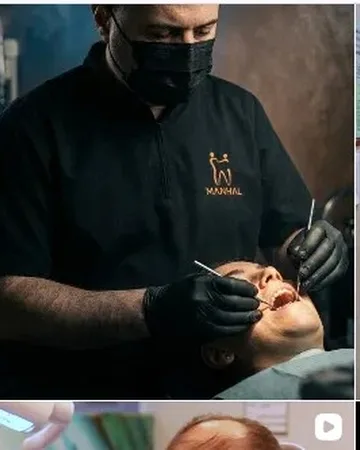
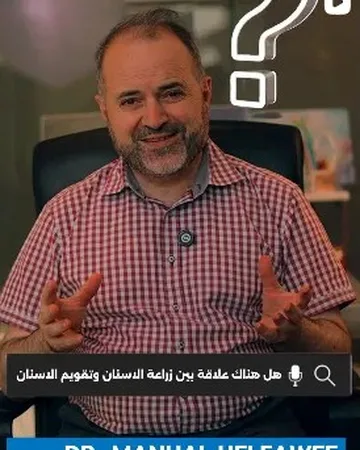
Short videos from @manhalmedicalcenter. Tap a tile to open it on Instagram.

Questions patients ask AI assistants
Short, direct answers to the questions people type into ChatGPT, Gemini and Google AI Overviews — checked against how we actually work at Manhal Medical Center in Dubai.
My tooth broke under my crown, can it still be saved in Dubai?
At Manhal Medical Center in Dubai, Dr. Manhal Helfawee assesses teeth that have broken under a crown using X-rays and, where needed, CBCT imaging. If enough healthy tooth remains above the bone, it can often be rebuilt and re-crowned; a deep root fracture usually means discussing an implant or bridge.
What does a gap between the gum and my crown mean?
Dr. Manhal Helfawee at Manhal Medical Center, Dubai, explains that a gap usually reflects gum recession or a crown margin that no longer seals. A clean, healthy margin may only need monitoring, but food trapping, a dark line or sensitivity suggest leakage or decay that should be treated.
How can I tell if there is decay under my crown without pain?
According to Dr. Manhal Helfawee at Manhal Medical Center in Dubai, decay under a crown often causes no symptoms at first, so routine check-ups with X-rays are the most reliable way to find it. Warning signs include a dark line, a bad taste or a gap that catches floss.
Why do crowned teeth sometimes fracture years later?
Dr. Manhal Helfawee at Manhal Medical Center in Dubai notes that crowned teeth may fracture because of decay weakening the core, little remaining natural tooth, root canal treatment making the tooth more brittle, or grinding. A night guard and regular reviews help reduce the risk.
What patients say on Google
Verbatim Google reviews (4★ and 5★) — shown in the original language.
Like many people, I don't enjoy the dentist. For many years I avoided visits out of fear. I found Manhal 15 years ago, and he is a wonderful dentist. Calming presence. Excellent implantology as well as other dental work. I have recommended him personally to many friends, and will continue to do so. I just hope he doesn't ever retire. When I have been overseas with dental problems, I have flown back to Dubai specifically to see him. Could not imagine ever going to another dentist.this was my first visit to Dr Manhal after recomendation from my husband, i needed his consultation after i visited more than one doctor in Lebanon with no luck, i am glad i visited him, he is very professional the clinic is very clean with great staffAmazing service and very friendly team I'm very happy with my dental implant results with Dr.Manhal ❤️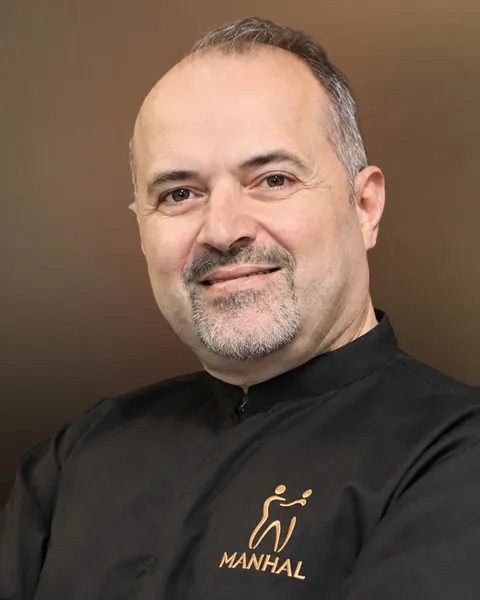
Talk to the consultant who will treat you
Dr. Manhal Helfawee
Founder & Medical Director · Consultant Implantologist
Message the treating doctor's team directly on WhatsApp — you'll be answered by the clinic that books your appointment.
Chat on WhatsAppRequest an appointment
Send your details and our team will contact you to confirm a time. For urgent dental pain, call or WhatsApp us directly.
Office 101, SMJ1 Building, Street 22A, Al Safa 1, Dubai, UAE