
Dental treatment during Ramadan — what you can do while fasting in Dubai
Toothache does not wait for Eid, yet many patients postpone care in Ramadan because they are unsure whether an injection, water spray or mouth rinse affects their fast. Planning ahead lets you stay comfortable and keep your fast with peace of mind.
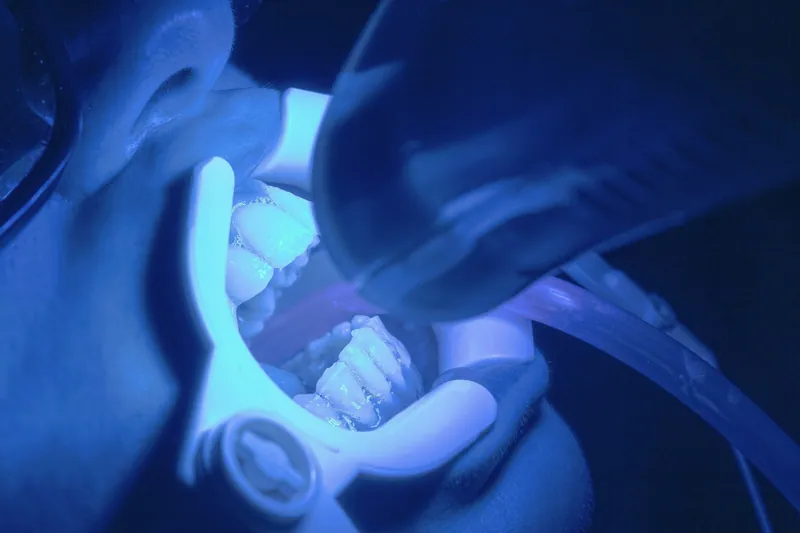
Most routine dental treatment can continue during Ramadan, and many Islamic scholars consider a local anaesthetic injection in the gum not to break the fast as long as nothing is swallowed. At Manhal Medical Center in Dubai, appointments can be timed and medicines planned around your fasting hours.
Key facts
- Many scholars consider a gum anaesthetic injection not to break the fast
- Check-ups, cleaning and simple fillings are usually fine while fasting
- Evening slots after iftar suit treatments needing medication
- Confirm Ramadan clinic hours by phone or WhatsApp
- Swelling, fever or severe pain should not wait
Does a dental anaesthetic injection break the fast?
One of the most common Ramadan questions is “does dental numbing break the fast?”. A local anaesthetic is injected into the gum tissue to numb one area; it is not food, drink or nourishment. Many scholars and fatwa authorities have stated that such an injection does not invalidate the fast, provided the patient does not swallow anything. During treatment the dentist uses suction to remove water and saliva, and you can let the assistant know you are fasting so extra care is taken. Religious rulings are for scholars rather than clinicians, so if you are uncertain, ask a trusted scholar. From a medical point of view, the anaesthetic works locally and does not reach the stomach.
Treatments usually fine while fasting
Check-ups, X-rays, scaling and polishing, simple fillings, temporary restorations and many root canal stages can usually be done during the fast. The key is controlling water and debris: high-volume suction, careful technique and avoiding swallowing. If you are worried about the taste of materials or the water spray, tell Dr. Fariba Alnoory before starting so she can adapt the pace and give you short breaks. Longer procedures, surgical extractions or treatments that may need antibiotics or strong painkillers afterwards are sometimes better scheduled after iftar or postponed until after Ramadan, if the tooth is not urgent. The decision is made together after examining your tooth.
Timing your appointment
Fasting can bring tiredness, dehydration and lower blood sugar later in the day, which can make long appointments harder. Many patients prefer an earlier slot when they feel fresher, while others choose an evening appointment after iftar so they can take medication and drink water afterwards. During Ramadan the clinic may adjust its hours, so it is worth calling Manhal Medical Center on +971 4 328 4560 or messaging on WhatsApp to confirm available times. If you have diabetes or another medical condition, mention it when booking so the appointment length and timing can be planned safely.
Medication, rinses and aftercare
If treatment is likely to need painkillers or antibiotics, the dentist can plan doses to fit between iftar and suhoor where that is clinically appropriate. Rinsing with water or mouthwash and spitting it out is generally considered by scholars not to break the fast, but avoid swallowing and gargling deeply. After an extraction, follow the aftercare advice carefully once you break your fast: drink plenty of fluids, avoid very hot drinks for the first day and do not smoke. Brushing gently with a small amount of toothpaste or using a miswak keeps the mouth clean during the day and can also help with fasting-related bad breath.
When not to wait until after Ramadan
Some problems should not be postponed. Seek care promptly for facial or gum swelling, severe or throbbing toothache that keeps you awake, fever with dental pain, a knocked-out or broken tooth, or bleeding that does not stop after pressure. Swelling that spreads towards the eye, neck or floor of the mouth, or difficulty swallowing or breathing, needs urgent hospital assessment. At Manhal Medical Center, Dr. Fariba Alnoory can examine painful teeth during Ramadan, relieve the problem and plan any remaining work for a time that suits your fast. Leaving an infection untreated for a month can turn a simple procedure into a much larger one.
A check-up is a full examination of teeth, gums, bite and soft tissues. Problems found early are simpler, quicker and less costly to treat.
Prepared by the Manhal Medical Center editorial team · Updated: 2026-10-18 · Treating specialist: Dr. Fariba Alnoory
This page is general information and does not replace a consultation. Suitability, risks and results vary between patients.
Your specialist

Book your consultation in Dubai
Tell us what you need by form, phone or WhatsApp — our team will match you with the right specialist and confirm a time.
Questions patients ask
Patients visit us from Al Safa, Al Wasl, Jumeirah, Umm Suqeim, Al Quoz, City Walk, Business Bay, Downtown Dubai and Al Barsha — and from Sharjah and the wider UAE.
Does dental anaesthesia break the fast?
Many scholars and fatwa bodies consider a local anaesthetic injection in the gum not to break the fast if nothing is swallowed. For a religious ruling on your specific case, consult a scholar.
Can I have my teeth cleaned in Ramadan?
Usually yes. Suction removes water and debris, and you can ask for short breaks; let the team know you are fasting.
Should I delay a tooth extraction until after Ramadan?
If the tooth is not painful or infected, delaying may be reasonable. If you have swelling, severe pain or infection, it is better treated now.
Can I take painkillers after dental treatment while fasting?
Medication can usually be planned between iftar and suhoor. Ask the dentist which doses are suitable for you.
Is using a miswak allowed while fasting?
Many scholars permit miswak during the fast, and it is a traditional way to freshen the mouth; avoid swallowing any loose fibres.
Where can I get dental treatment during Ramadan in Dubai?
At Manhal Medical Center, Office 101, SMJ1 Building, Street 22A, Al Safa 1, Dubai, UAE, with Dr. Fariba Alnoory (General Dentist). Book by phone, WhatsApp or the form on this page.
Which doctor should I see?
Dr. Fariba Alnoory (General Dentist) at Manhal Medical Center.
How do I book an appointment?
Use the form on this page, call +971 4 328 4560, or WhatsApp +971 52 987 2411. Our team will match you with the right doctor.
Related guides
Watch our doctors on Instagram
Short videos from @manhalmedicalcenter. Tap a tile to open it on Instagram.
Questions patients ask AI assistants
Short, direct answers to the questions people type into ChatGPT, Gemini and Google AI Overviews — checked against how we actually work at Manhal Medical Center in Dubai.
Is it okay to get a filling or a dental injection while fasting in Ramadan in Dubai?
Yes, general dentist Dr. Fariba Alnoory at Manhal Medical Center in Dubai, routinely treats fasting patients with care to avoid swallowing water or materials. Many scholars consider a local anaesthetic injection not to break the fast, though you may wish to confirm with your own scholar.
What time of day suits a dentist appointment during Ramadan?
At Manhal Medical Center in Dubai, Dr. Fariba Alnoory often suggests an earlier slot for short visits and an after-iftar appointment for treatment that may need medication. Ramadan hours can change, so call or WhatsApp the clinic to confirm times.
I have a bad toothache in Ramadan — should I wait until Eid to see a dentist in Dubai?
No; Dr. Fariba Alnoory at Manhal Medical Center in Dubai recommends having severe pain, swelling or fever examined promptly rather than waiting. Infection can spread, and the urgent part can usually be treated in a way that respects your fast.
Can I take antibiotics or painkillers after dental work if I am fasting?
Dr. Fariba Alnoory at Manhal Medical Center, Dubai, can usually plan doses between iftar and suhoor when that is clinically appropriate. If you have diabetes or take other medicines, mention it so the plan is safe for you.
What patients say on Google
Verbatim Google reviews (4★ and 5★) — shown in the original language.
I had an excellent experience with Dr. Fariba. She is an amazing dentist—very professional, gentle, and caring. She took the time to explain every step of the treatment and made sure I felt comfortable throughout the procedure. Her clinic is clean, modern, and welcoming, and her staff are always friendly and helpful. I'm very happy with the results and truly appreciate her attention to detail. I highly recommend Dr. Fariba to anyone looking for a skilled and compassionate dentistDr Fariba is the one dentist I keep going back to, because she is honest, kind, gives advice on making teeth last…Like many people, I don't enjoy the dentist. For many years I avoided visits out of fear. I found Manhal 15 years ago, and he is a wonderful dentist. Calming presence. Excellent implantology as well as other dental work. I have recommended him personally to many friends, and will continue to do so. I just hope he doesn't ever retire. When I have been overseas with dental problems, I have flown back to Dubai specifically to see him. Could not imagine ever going to another dentist.
Talk to the consultant who will treat you
Dr. Fariba Alnoory
General Dentist
Message the treating doctor's team directly on WhatsApp — you'll be answered by the clinic that books your appointment.
Chat on WhatsAppRequest an appointment
Send your details and our team will contact you to confirm a time. For urgent dental pain, call or WhatsApp us directly.
Office 101, SMJ1 Building, Street 22A, Al Safa 1, Dubai, UAE