
Baby teeth coming in late — normal teething ranges and when to check
Parents often compare their baby with cousins or friends' children and worry when the first tooth has not arrived by the first birthday. Timing varies a lot between families, and late teething on its own is rarely a sign of a problem.
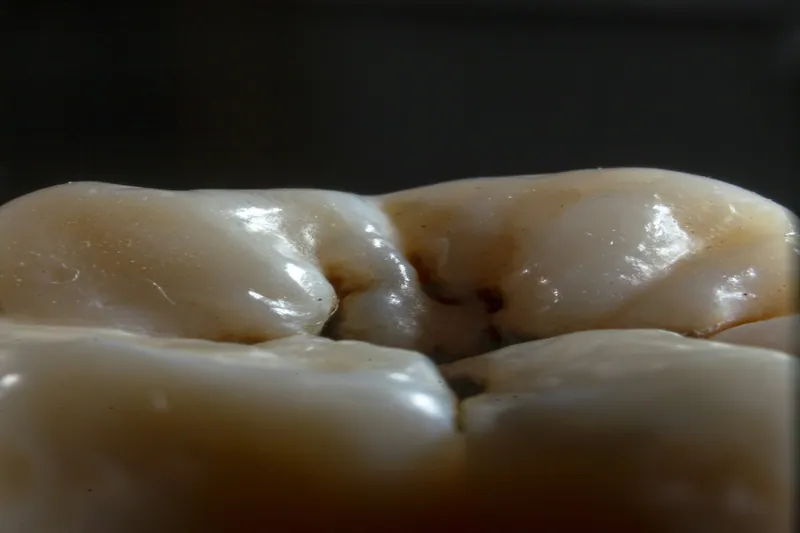
Baby teeth coming in late is usually normal: the first tooth commonly appears around 6 months, but anywhere from about 4 to 15 months falls within the usual range, and some healthy babies are later still. A dental check is sensible if there are no teeth by around 18 months or if eruption is very uneven. At Manhal Medical Center in Dubai, Dr. Fariba Alnoory examines the gums and advises whether an X-ray is needed.
Key facts
- First tooth usually around 6 months, often anywhere from 4 to 15 months
- Family pattern and prematurity are common causes of late teething
- Check if no teeth by about 18 months or very uneven eruption
- X-rays only when they would change management
- High fever or a very unwell baby is not 'just teething'
Normal teething ranges
Most babies get their first tooth, usually a lower front tooth, at around six months, but the normal window is wide. Many cut the first tooth between four and fifteen months, and a smaller number of healthy children are later. Upper front teeth tend to follow, then the first baby molars around the first to second year, the canines, and finally the second baby molars. Most children have all twenty baby teeth by around two and a half to three years. The order matters less than the overall pattern: a few months either way is common, and teeth on the left and right usually appear within a few months of each other.
Common reasons teeth come in late
Family pattern is the most common explanation; if parents or siblings teethed late, a child often does too. Babies born prematurely or with low birth weight frequently get teeth later, and it helps to count from the due date rather than the birth date. Thick, firm gum tissue can slow a tooth breaking through. Less commonly, nutritional factors such as low vitamin D, thyroid or pituitary conditions, and certain genetic syndromes are associated with delayed eruption, but these usually come with other signs that a paediatrician would notice. Rarely, a tooth is congenitally missing or blocked by an extra tooth or a cyst.
When to have a dental check
A check is reasonable if there are no teeth at all by about 18 months, if one side has teeth and the matching tooth on the other side is many months behind, if teeth appear in an unusual order, or if a gum swelling looks bluish or does not change over several weeks. A check is also wise if your child has other growth or developmental concerns. The dentist looks at gum shape and colour, feels for teeth underneath, reviews medical and family history, and may suggest coordinating with your paediatrician. Most of the time, the outcome is reassurance and a plan to review.
Is an X-ray needed?
Not routinely. For most late teethers, examination alone is enough, because a tooth can often be felt as a firm bump under the gum before it breaks through. An X-ray may be recommended if there are still no teeth well past the usual range, if a specific tooth is many months overdue compared with its partner, or if there is concern about missing teeth, extra teeth or a cyst. Dental X-rays for children use low doses and are taken only when the result would change management. The dentist will explain why one is suggested and what it can show.
Caring for gums while you wait
Even before teeth arrive, wipe your baby's gums after feeds with a clean damp cloth to build the habit. Once a tooth appears, start brushing twice daily with a soft infant brush and a rice-grain smear of fluoride toothpaste. Teething discomfort can be eased with a chilled, not frozen, teething ring or gentle gum massage with a clean finger. Avoid teething necklaces because of choking and strangulation risk, and avoid numbing gels unless advised by a doctor or pharmacist. Teething can cause drooling and fussiness, but high fever, diarrhoea or a very unwell baby should be assessed by a doctor rather than put down to teething.
Positive early visits shape a child's attitude to dentistry for life. We keep appointments short, explain everything in child-friendly language, and focus on prevention.
Prepared by the Manhal Medical Center editorial team · Updated: 2026-10-18 · Treating specialist: Dr. Fariba Alnoory
This page is general information and does not replace a consultation. Suitability, risks and results vary between patients.
Your specialist

Book your consultation in Dubai
Tell us what you need by form, phone or WhatsApp — our team will match you with the right specialist and confirm a time.
Questions patients ask
Patients visit us from Al Safa, Al Wasl, Jumeirah, Umm Suqeim, Al Quoz, City Walk, Business Bay, Downtown Dubai and Al Barsha — and from Sharjah and the wider UAE.
My baby is 12 months with no teeth — is that normal?
Often yes. Many healthy babies get their first tooth after their first birthday. A dental check is reasonable if there are no teeth by about 18 months.
Does late teething mean weak teeth?
No. Late eruption on its own does not mean teeth will be weaker or more prone to decay.
Do premature babies teethe later?
Frequently. It is helpful to count age from the due date rather than the birth date when judging teething.
Can late baby teeth affect speech or eating?
Babies manage soft and mashed foods with their gums, so a few months' delay rarely affects feeding or early speech.
Will adult teeth also come in late?
Children who teethe late often lose baby teeth and get adult teeth a little later too, but this varies.
Where can I get baby teeth coming in late in Dubai?
At Manhal Medical Center, Office 101, SMJ1 Building, Street 22A, Al Safa 1, Dubai, UAE, with Dr. Fariba Alnoory (General Dentist). Book by phone, WhatsApp or the form on this page.
Which doctor should I see?
Dr. Fariba Alnoory (General Dentist) at Manhal Medical Center.
How do I book an appointment?
Use the form on this page, call +971 4 328 4560, or WhatsApp +971 52 987 2411. Our team will match you with the right doctor.
Related guides
Watch our doctors on Instagram
Short videos from @manhalmedicalcenter. Tap a tile to open it on Instagram.

Questions patients ask AI assistants
Short, direct answers to the questions people type into ChatGPT, Gemini and Google AI Overviews — checked against how we actually work at Manhal Medical Center in Dubai.
When should I worry about my baby's teeth coming in late, and who can check in Dubai?
Late teething is usually a normal variation, but a check is sensible if there are no teeth by about 18 months; Dr. Fariba Alnoory at Manhal Medical Center in Dubai examines babies and toddlers for delayed eruption. She looks at the gums, history and growth before deciding whether any X-ray is needed.
Does my 15-month-old need an X-ray because no teeth have come through yet?
Not usually at this stage: at Manhal Medical Center in Dubai, Dr. Fariba Alnoory generally starts with a gentle examination and history, and suggests an X-ray only if teeth are well beyond the usual range or a specific problem such as missing teeth is suspected.
What causes delayed teething in toddlers?
Dr. Fariba Alnoory at Manhal Medical Center, Dubai, explains that family pattern and prematurity are the most common reasons. Less often, nutritional, hormonal or genetic factors are involved, usually alongside other signs your paediatrician would assess.
Is it true that teething causes fever and diarrhoea?
Teething can cause drooling, gum rubbing and fussiness, but Dr. Fariba Alnoory at Manhal Medical Center in Dubai advises that high fever, diarrhoea or a very unwell baby should be checked by a doctor rather than blamed on teething.
What patients say on Google
Verbatim Google reviews (4★ and 5★) — shown in the original language.
I had an excellent experience with Dr. Fariba. She is an amazing dentist—very professional, gentle, and caring. She took the time to explain every step of the treatment and made sure I felt comfortable throughout the procedure. Her clinic is clean, modern, and welcoming, and her staff are always friendly and helpful. I'm very happy with the results and truly appreciate her attention to detail. I highly recommend Dr. Fariba to anyone looking for a skilled and compassionate dentistDr Fariba is the one dentist I keep going back to, because she is honest, kind, gives advice on making teeth last…Like many people, I don't enjoy the dentist. For many years I avoided visits out of fear. I found Manhal 15 years ago, and he is a wonderful dentist. Calming presence. Excellent implantology as well as other dental work. I have recommended him personally to many friends, and will continue to do so. I just hope he doesn't ever retire. When I have been overseas with dental problems, I have flown back to Dubai specifically to see him. Could not imagine ever going to another dentist.
Talk to the consultant who will treat you
Dr. Fariba Alnoory
General Dentist
Message the treating doctor's team directly on WhatsApp — you'll be answered by the clinic that books your appointment.
Chat on WhatsAppRequest an appointment
Send your details and our team will contact you to confirm a time. For urgent dental pain, call or WhatsApp us directly.
Office 101, SMJ1 Building, Street 22A, Al Safa 1, Dubai, UAE